
The Dream, the Deal, and the Cost of Indie Filmmaking: Sell Your House at deadCenter Film Festival
Article: Alex Katsion | Videography: Samuel Carrillo | Photography: Mauricio Rodriguez
SPOILER FREE
The moderator did not show up.
That is how the Q&A for Sell Your House began at deadCenter Film Festival. Eric Foss, one of the film’s directors, stood at the front of the room and tried to remember the kinds of questions moderators usually ask after a screening.
It was funny, but it also felt perfectly fitting.
Here was a filmmaker traveling the festival circuit mostly on his own, trying to save money, trying to get his documentary in front of people, and now even running his own Q&A. After watching a film about the cost, chaos, and hustle of indie filmmaking, the moment felt like an extension of the movie itself.
Sell Your House, directed by Eric Foss and Brandon Pickering, follows Francis Galluppi and James Claeys through the making of The Last Stop in Yuma County. The hook is almost too perfect: James sold his house to help finance the film.
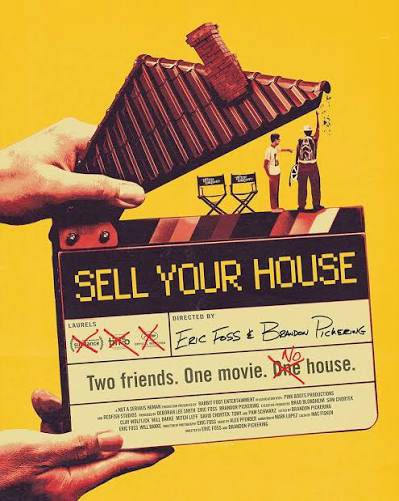
That detail alone could have carried a normal behind-the-scenes documentary. Two friends. One movie. A massive risk. The kind of story that grabs you right away because it sounds like the ultimate indie film dream.
But sitting there at deadCenter, it became clear that Sell Your House was after something bigger.
At first, it feels like we are watching a movie about making a movie. Francis wants to make his first feature. James believes in him enough to help make it happen in the biggest way possible. There is something contagious about watching people chase something they fully believe in, especially in a festival setting filled with filmmakers, writers, actors, and creatives who understand that pull.
Then The Last Stop in Yuma County gets made, and Sell Your House keeps going.
That is when the documentary really opens up.
Because finishing the film is not the end. Festivals. Distribution. Promotion. Posters. Deals. Rights. Money. The process of taking something personal and trying to get it into the world is its own story, and for us, that was one of the most eye-opening parts of the film.
We tend to think making the movie is the hard part. Once it is done, we imagine everything gets simpler. Sell Your House shows the opposite.
The film also makes that world easy to follow. Foss and Pickering use fast-moving handwritten elements, zoomed-in documents, and sharp graphic moments to explain the inside-baseball details of the filmmaking process. Those sections could have easily felt dry, but they never do. The graphics are fun, kinetic, and educational.
That is one of the reasons Sell Your House stood out. It is not just an interesting story. It is well made. The documentary moves fast when the information is dense, then slows down when the human side needs room to breathe.
And that human side is what stayed with us most.
Sell Your House is a love letter to indie filmmaking, but it is also a warning about what it costs to chase the dream. It is about passion, sacrifice, friendship, and what happens when the thing you made starts becoming part of a bigger machine.
Francis and James begin with a shared desire to make a movie. But as the film moves beyond production and into the business of being seen, their friendship is tested in ways that feel honest, complicated, and deeply human.
The documentary is careful not to turn that tension into a hero-and-villain story. Foss talked about that after the screening. This was never meant to be a story with one good guy and one bad guy. It is about two friends who gave everything they had to make something happen, then had to deal with everything that came after.
That made the film hit close for us.
Wornbriar’s motto is “Risk it all to LIVE,” and Sell Your House feels like that idea put on screen in its most literal form. It is inspiring to watch someone go all in for the thing they believe in. It also makes you think about what “all in” really means.
What does it cost? What happens to the friendship? What happens when success comes, but not in the same way for everyone?
Those questions linger long after the film ends.
It also made us think about creative partnerships. When you are building something with friends, the dream can feel simple at the beginning. Everyone is excited. Everyone is working toward the same thing. But success, money, credit, opportunity, and disappointment can make things more complicated.
That is not a reason to stop chasing the dream. If anything, Sell Your House makes the dream feel even more worth chasing. But it is a reminder that the friendship has to matter too.
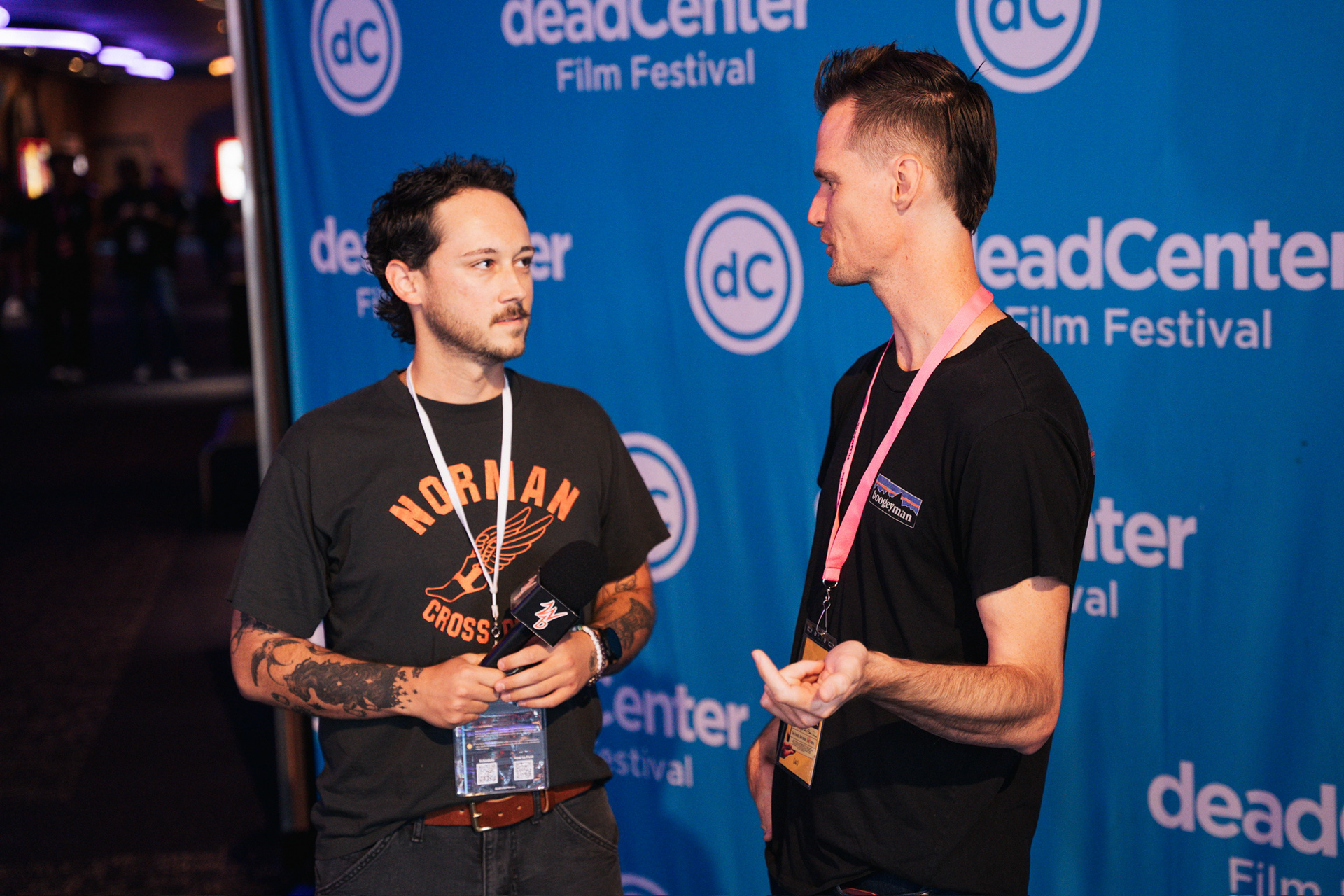
Foss seemed to understand that balance. In person, he was funny, personable, and clearly still hustling. He was the only one from the film’s crew at deadCenter, promoting the documentary, trying to get it in front of people, and still looking for the film’s next step.
There was something fitting about that. Sell Your House is about what it takes to get a film made, but watching Foss talk about it at deadCenter made it clear that the work does not stop when the credits roll.
Francis Galluppi’s story has already continued in a major way, with his work opening the door to write and direct a new Evil Dead film. That part of the story reinforces the dream at the center of Sell Your House. You really do not know what can happen when you take the risk and make the thing.
But the film is honest enough to show that the dream is not clean or simple.
That is why Sell Your House was one of our favorite films we saw at deadCenter. Not just because it is about making a movie, but because it captures what so many people at a festival like this are chasing.
The chance to create something. The chance to be seen. The chance to turn the thing in your head into something real.
It is funny. It is inspiring. It is a little heartbreaking.
And for anyone who has ever wanted to risk it all for a dream, it is absolutely worth seeing.