

Keeping the Fire Alive:
Gangland at deadCenter Film Festival
Gangland at deadCenter Film Festival
Article: Alex Katsion | Videography: Samuel Carrillo | Photography: Mauricio Rodriguez
SPOILER FREE
There are some films you walk out of still trying to sort through. Gangland was one of those for us.
There are some films you walk out of still trying to sort through. Gangland was one of those for us.
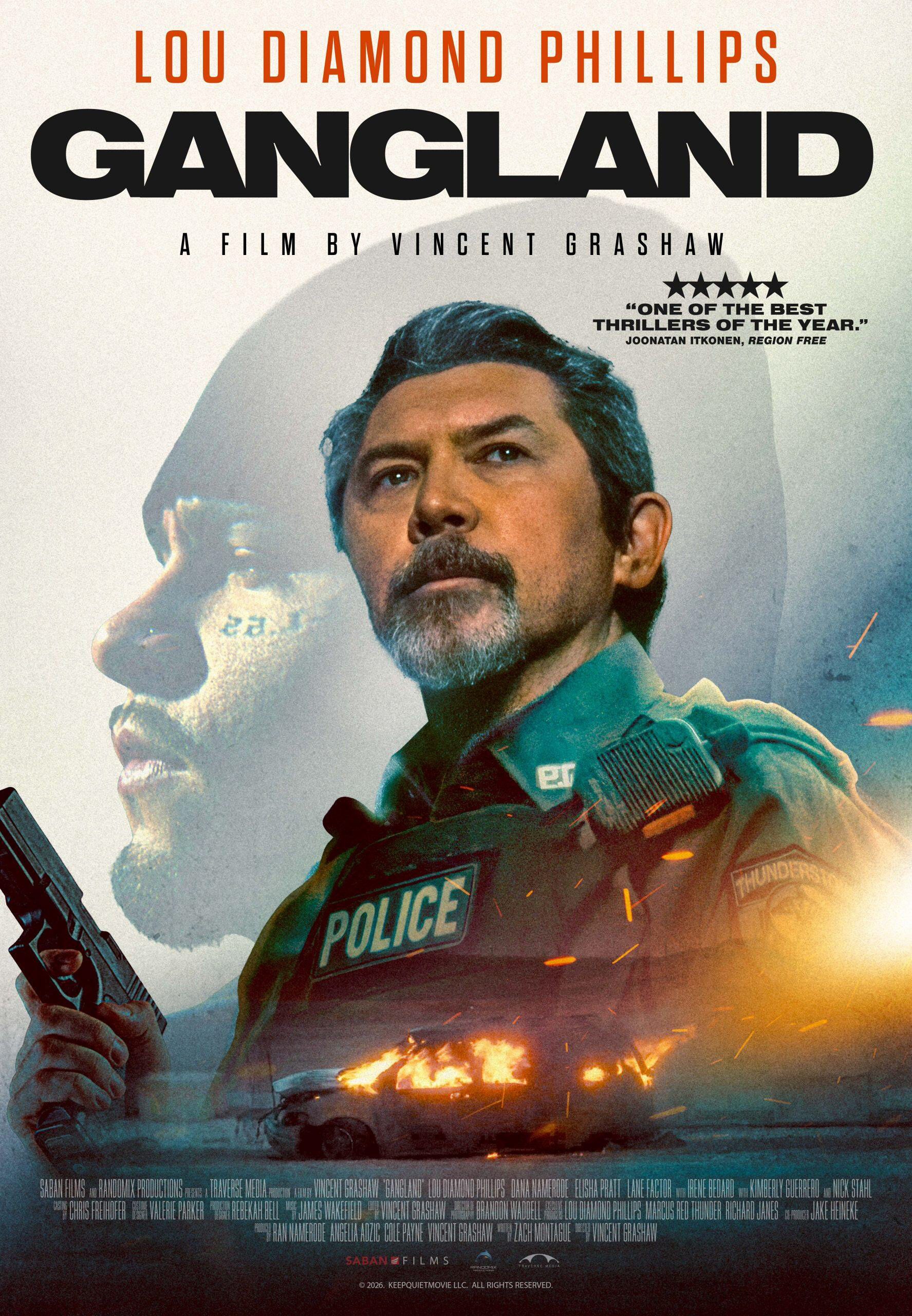
Wornbriar had the chance to screen the film at this year’s deadCenter Film Festival in Oklahoma City. The film, formerly known as Keep Quiet, played as the opening-night feature, followed by a Q&A with several members of the cast, including Lou Diamond Phillips.
For me, this was my first time at deadCenter. I did not know exactly what to expect from the festival, the screening, or even the film itself. I knew Lou Diamond Phillips was in it, but beyond that, I went in mostly blind. I wondered what kind of film we were about to see. Would it feel small? Would it feel low-budget? Would it feel like a local film trying to stretch beyond what it had?
It did not take long for those questions to fall away.
The theater was packed, and not just packed with people looking for something to do. It felt full of people who genuinely care about film. People were excited to be there. They were excited to see this film specifically. There was something meaningful about sitting in a room full of Oklahomans watching a feature-length film set in Oklahoma, made with Oklahoma locations, an Oklahoma crew, and a cast that included both local actors and Hollywood stars.
That alone felt like a testament to the growth of the Oklahoma film industry. Not in a vague “we’re on the map” kind of way. In a real, tangible way. You could feel it in the room.
And then the film started.
Gangland is heavy. It is raw. It does not shy away from the story it is trying to tell. Set within a reservation community, the film follows people caught in violence, loyalty, trauma, survival, and the complicated search for a way forward. On the surface, it is a crime thriller. But the longer it goes, the more it becomes a character study and a community story wrapped into one.
The film asks a hard question: what is really right and wrong when everyone is doing what they believe is their best option?
That was the part I kept coming back to. There are people in this film who do harmful things. Some of those choices are frightening. Some are painful to watch. But the film does not let you dismiss them as simply evil or simply wrong. It asks you to sit with the reality that people often act out of what they believe is survival, protection, loyalty, or love.
That does not excuse the hurt. But it does make the story harder to shake.
All of the characters felt real and lived in. By the end, you knew these people. You knew what they wanted. You knew what they were carrying. Everyone was fighting for some version of community, healing, or safety, even when the way they reached for it caused more damage.
That is what makes Gangland feel so human. It is not a clean story about good people and bad people. It is about trauma, survival, and the damage people can cause while still trying to protect the people they love.
I will be thinking about Elisha Pratt’s character, Richie, long after seeing this movie. Richie is scary. He is tough. He causes harm. But he is not empty. He is not written or performed like a stock villain. He is a hurt person who has learned to survive through hurt. At the end of the day, he cares about his family and is trying to help them the best way he knows how, even if that way is wrong.
That gray area is where the film lives.
In a loose way, Gangland reminded me of True Detective Season 1. Not because the stories are the same, but because of the feeling. Crime. Cops. Grit. A difficult subject matter. A world that feels worn down by what has happened inside it. But more than anything, it reminded me of that kind of character study where you leave feeling like you truly know the people you just watched.
The audience seemed to feel that too. Throughout the film, people were engaged. You could hear it. There was laughter in the right places. There were audible reactions when something shocking or horrifying happened. And when the film ended, the theater roared with applause.
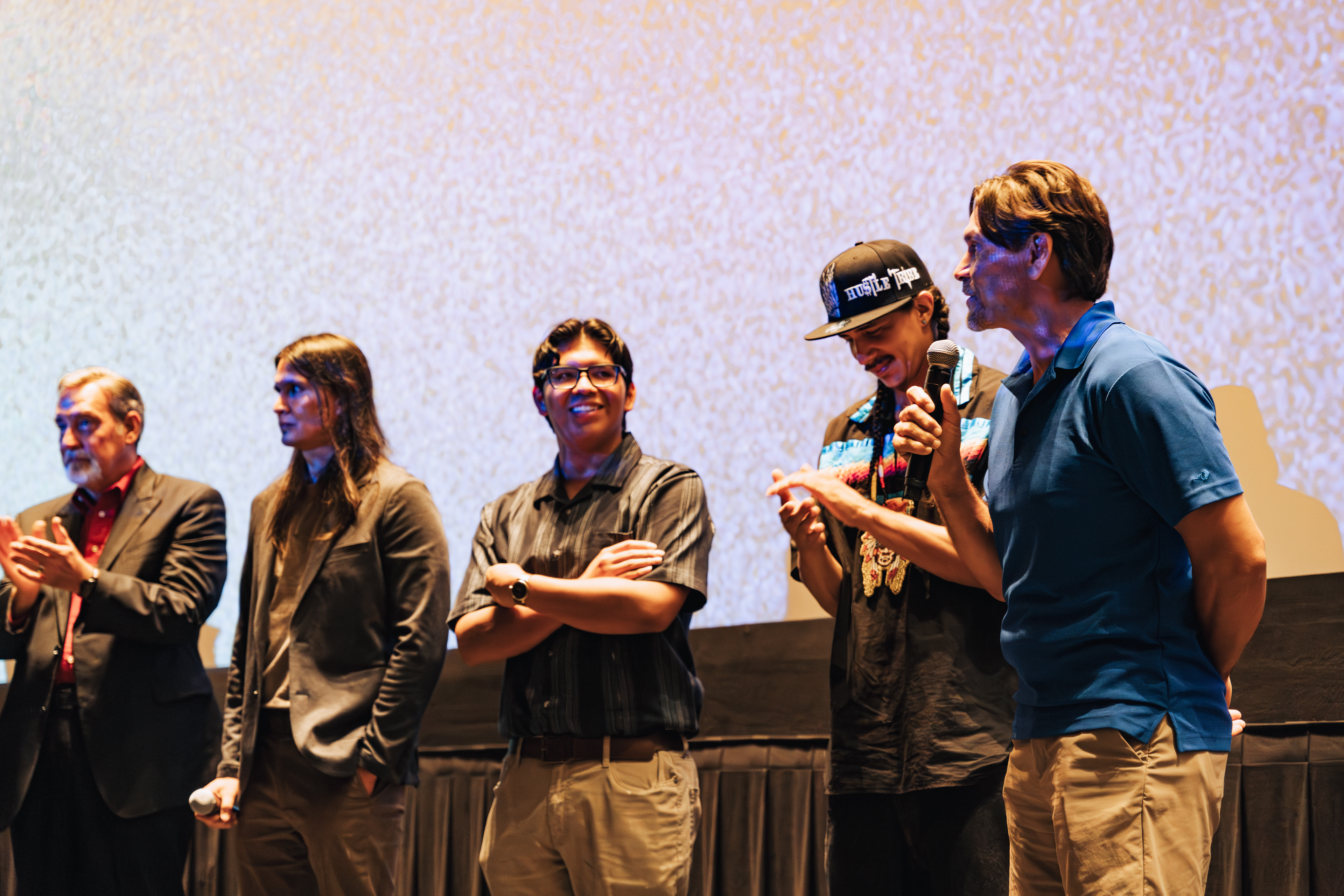
The Q&A afterward was formal enough to feel organized, but casual enough to feel honest. Cast members took turns answering questions and sharing what the experience meant to them. What stood out most was how often the conversation came back to Lou Diamond Phillips and the tone he set for the entire production.
From the way everyone spoke about him, Lou was not just the famous actor in the room. He was a mentor, a leader, and part of the ensemble. The cast described him as kind, generous, and present. Lou spoke about leadership in a way that felt personal. He talked about how important it is for the person at the top to set the tone. If the lead is not working hard, why should anyone else?
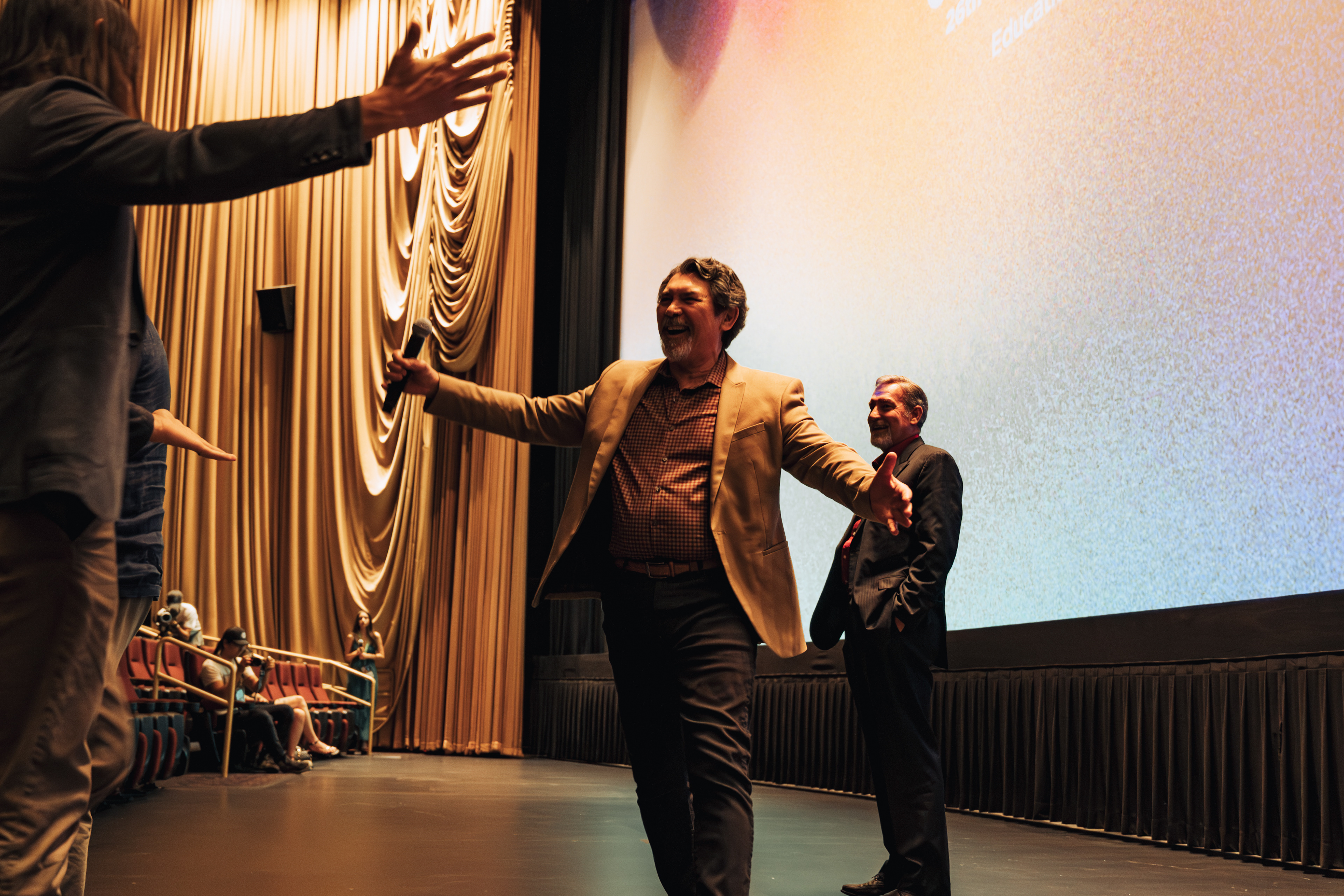
That seemed to be the spirit of the production. Not ego. Not distance. Not Hollywood diva behavior. Just work. Care. Craft. People showing up for one another.
Lou also talked about remembering the people who invested in him when he was young. You could tell he takes that seriously now. He knows what it is like to come up in the industry, and he seems to understand that part of the work is passing something on to the next generation.
That was clear in the way he spoke about the younger cast, especially Elisha Pratt. Lou said he believes Elisha could be the breakout of the film. After watching the film, that was easy to understand.
When we interviewed Elisha, the contrast between the person and the performance stood out immediately. On screen, Richie is intense, frightening, and difficult to look away from. In person, Elisha was kind, gentle, and thoughtful. He talked about pulling from his own experience growing up on the reservation and from people he knew. He said he knew this character, and that shows in the performance.
There is a weight to Richie that does not feel performed from the outside. It feels remembered. It feels understood.
Lane Factor was also impressive. Professional, thoughtful, and well-spoken, especially for someone so young. Both he and Elisha spoke highly of Lou and the rest of the cast and crew. They described the experience like a family, which can sometimes sound like a press answer, but after hearing the Q&A and watching how they interacted, it felt true.
The production itself sounded intense. Lou shared that the film was shot in only 18 days. There were tough days. It was cold. It rained. Much of the film was shot at night. There was no time for people to coast. Everyone had to bring their best because the schedule demanded it.
One of the stories from the panel that stuck with me was about the bison scene. It was not originally planned. The team was on a scouting trip before filming officially began and saw a bison stampede. Instead of letting the moment pass, they found a way to build a scene around it and brought cast members in early to capture it.
That kind of thing only happens when filmmakers are paying attention. It felt like the perfect example of what this movie is: planned, crafted, and disciplined, but still awake enough to receive something real when it appears.
The cast also spoke warmly about the Oklahoma crew. They said people showed up happy, ready to work, and willing to give what the film needed. That matters. A film like this does not happen because one person decides it should. It happens because a group of people believe in the work enough to keep going, even when the days are long and the conditions are hard.
That is one of the reasons Gangland feels like a Wornbriar story.
This was a group of people who had a passion for filmmaking and acting. They told a difficult story and brought everything they had to it. For some, this was one of their first big roles. For others, it was another step in a long career. But no one on screen felt like they were just passing through. No performance felt half-hearted. Everyone seemed committed to telling the truth of the story, even when that truth was uncomfortable.
That is the kind of work we respect. The kind where people risk something to make something honest. The kind where craft matters. The kind where you can feel the fire behind it.
The panel ended with Marcus Red Thunder singing a song of healing. The room went silent. People removed their hats. The best way I can describe it is that it felt prayerful. Emotional. Powerful. Not like a performance added to the end of a panel, but like the only fitting way to close a conversation about trauma, community, and the long road toward healing.
That moment stayed with me.
If someone asked me what Gangland is about, I would say it is a human story. It is a story about a marginalized community trying to find safety, belonging, and a way forward after years of trauma. It is specific to Indigenous people and reservation life, and that specificity matters. But the questions it asks are not limited to one community.
We are all looking for somewhere to belong. We all carry things we are trying to heal from. We all want to believe that what has happened to us, or what we have done, does not have to be the final word.
That may be why Gangland works. It does not make healing look easy. It does not make people simple. It does not pretend pain disappears because someone wants it to. But it does leave you with the sense that moving forward is still possible.
Someone has to keep the fire alive.
In this film, and in the room afterward, you could feel people trying to do exactly that.