The Stories That Stay With Us: Wornbriar at deadCenter Film Festival
Article: Alex Katsion | Videography: Samuel Carrillo | Photography: Mauricio Rodriguez
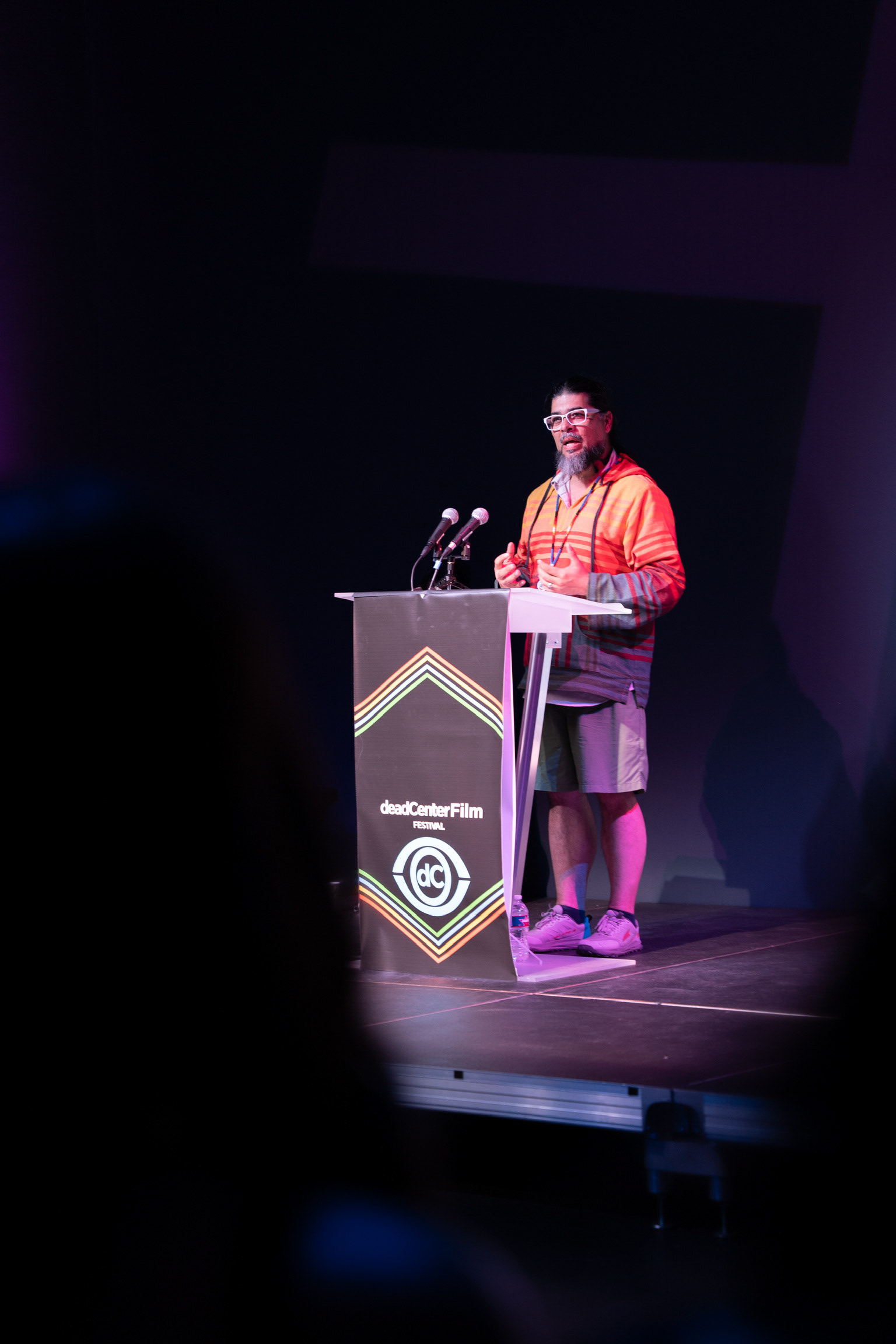
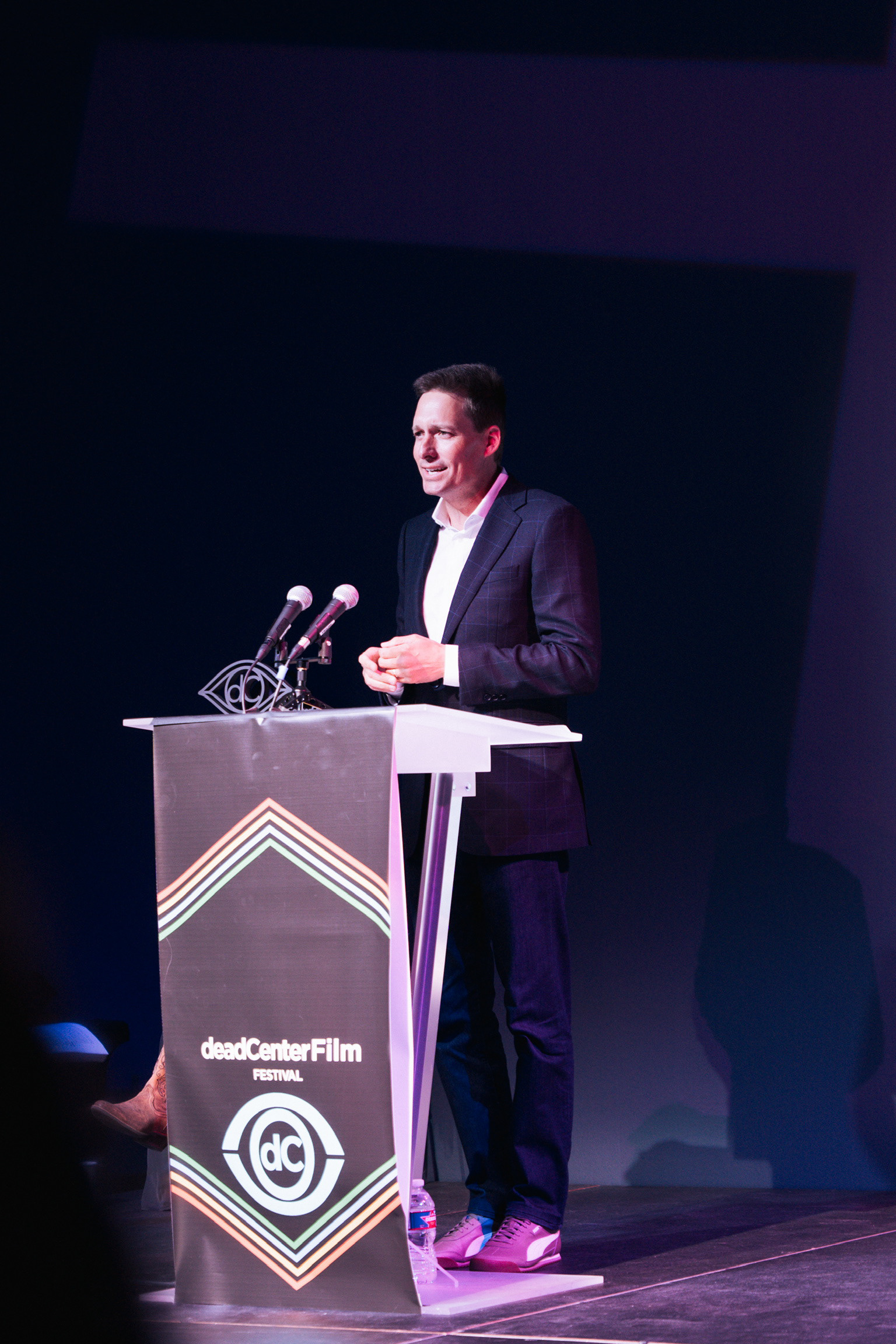
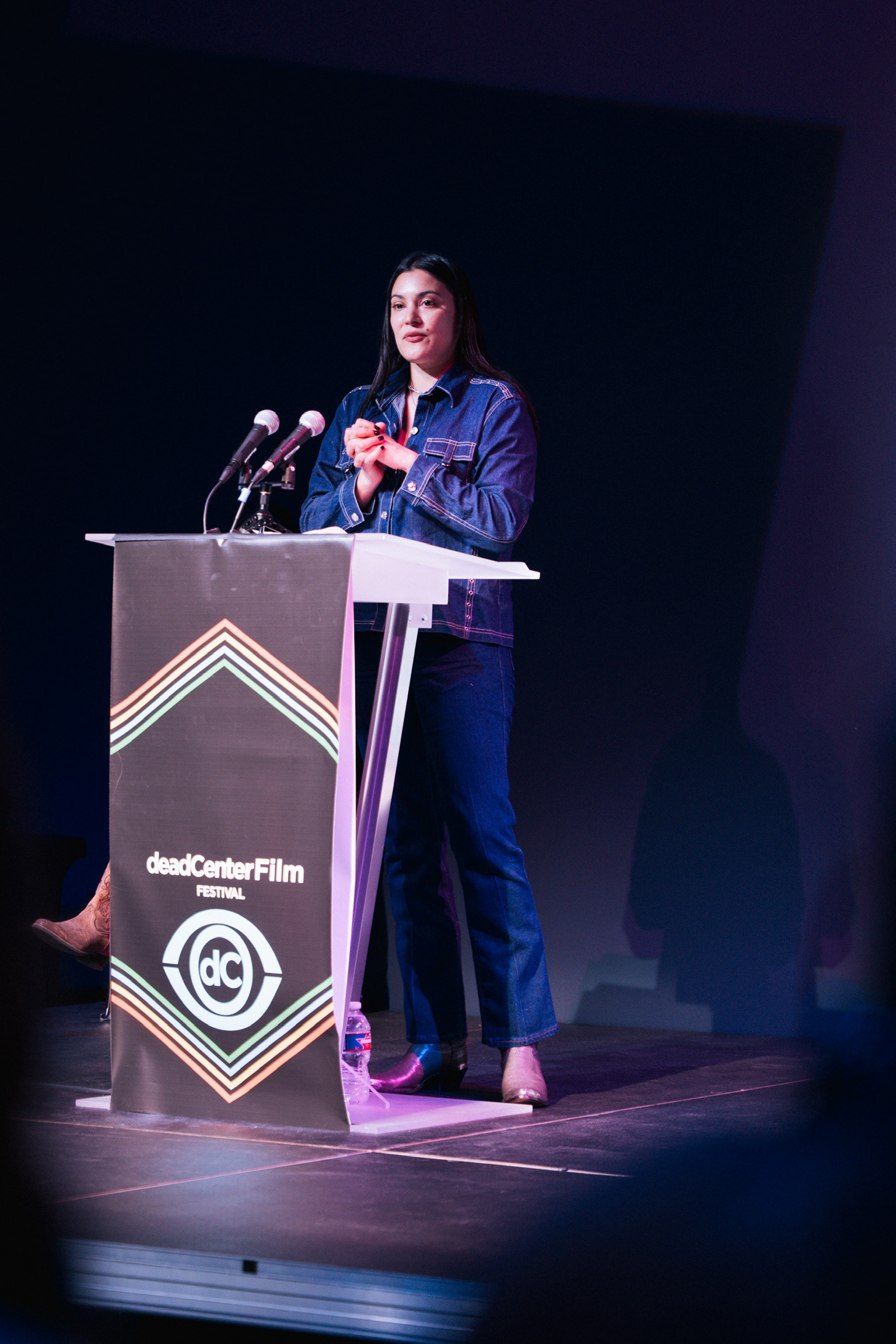
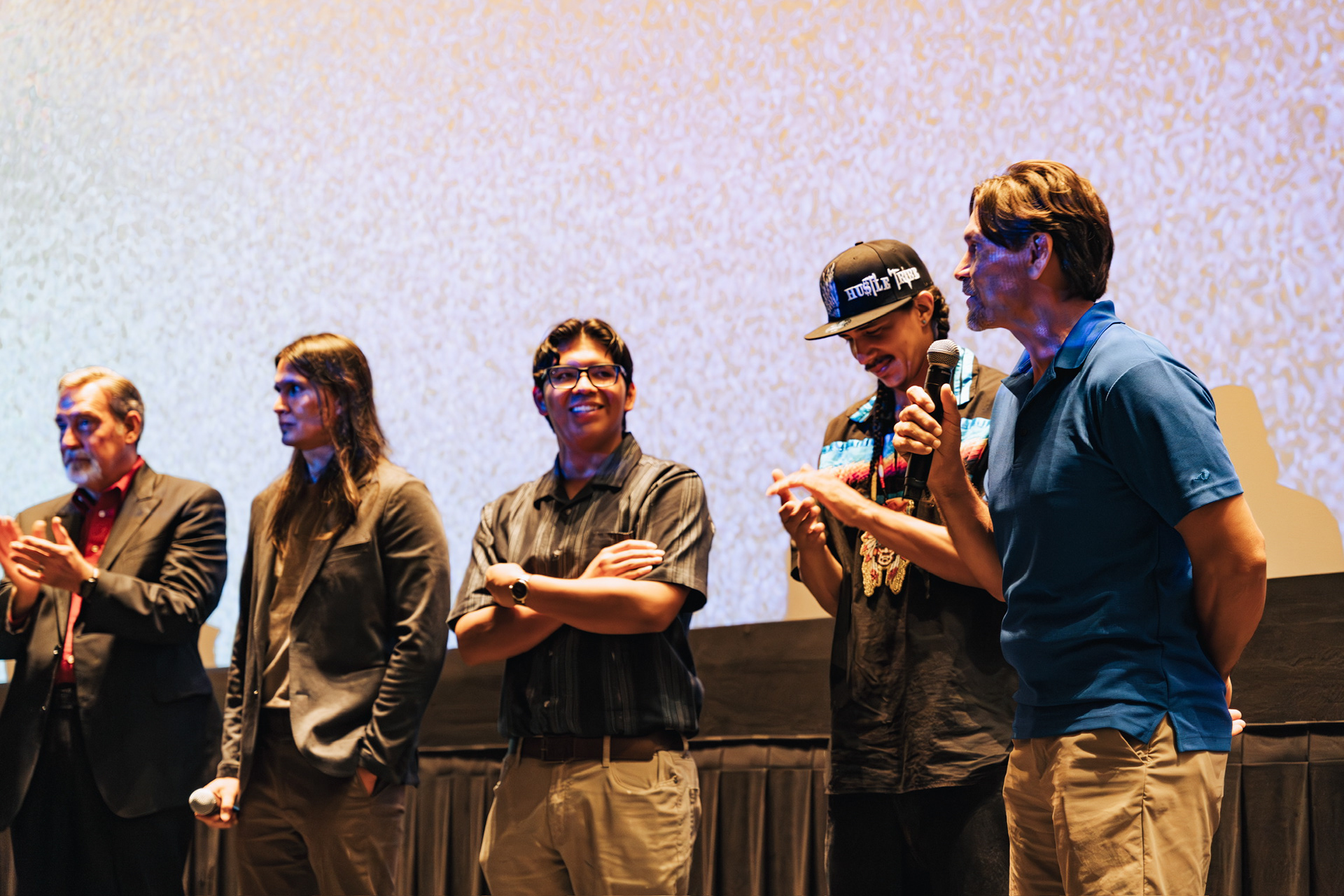
For Wornbriar, deadCenter Film Festival was more than a weekend of screenings, interviews, and packed theaters. It was a reminder of why independent film matters in the first place.
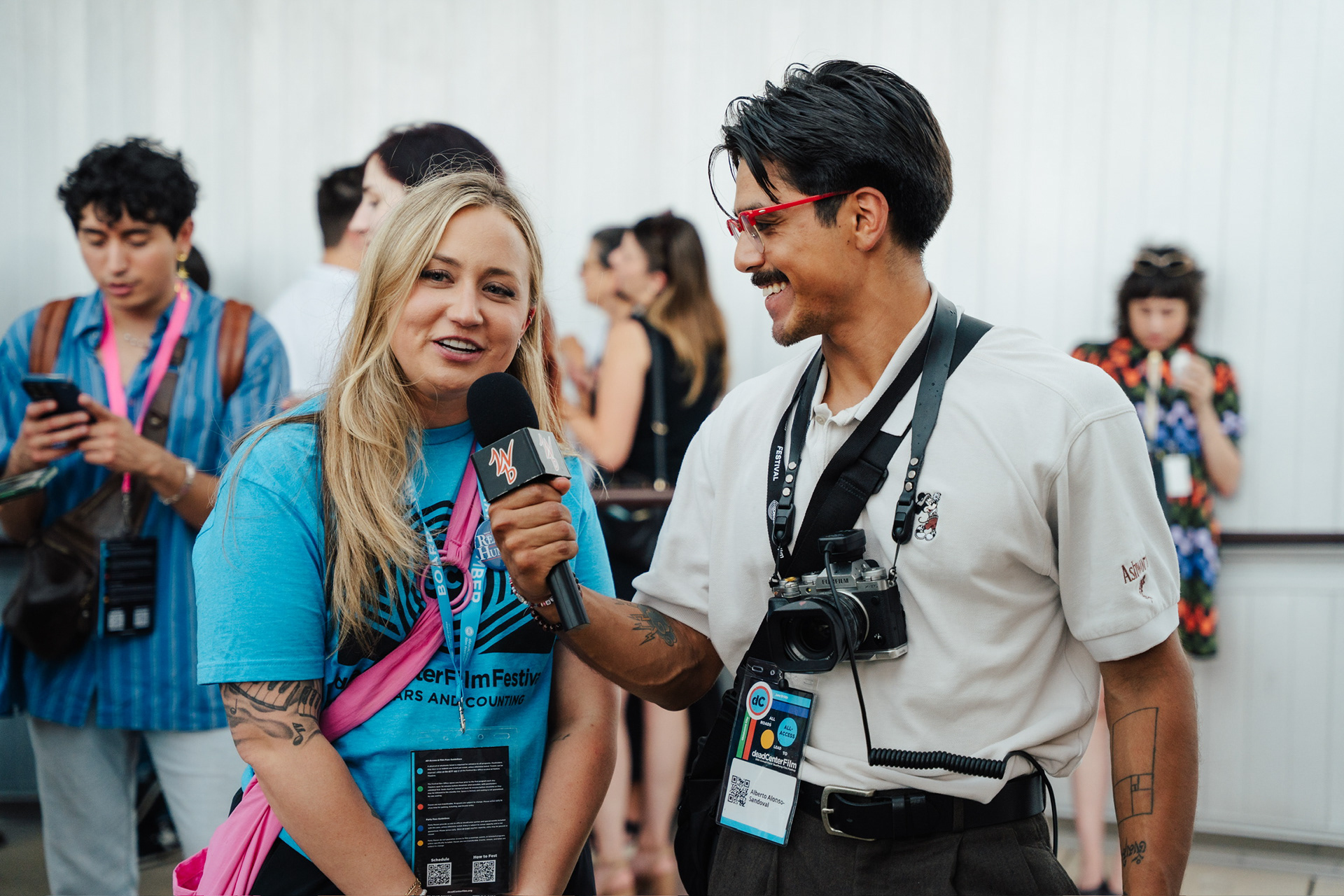
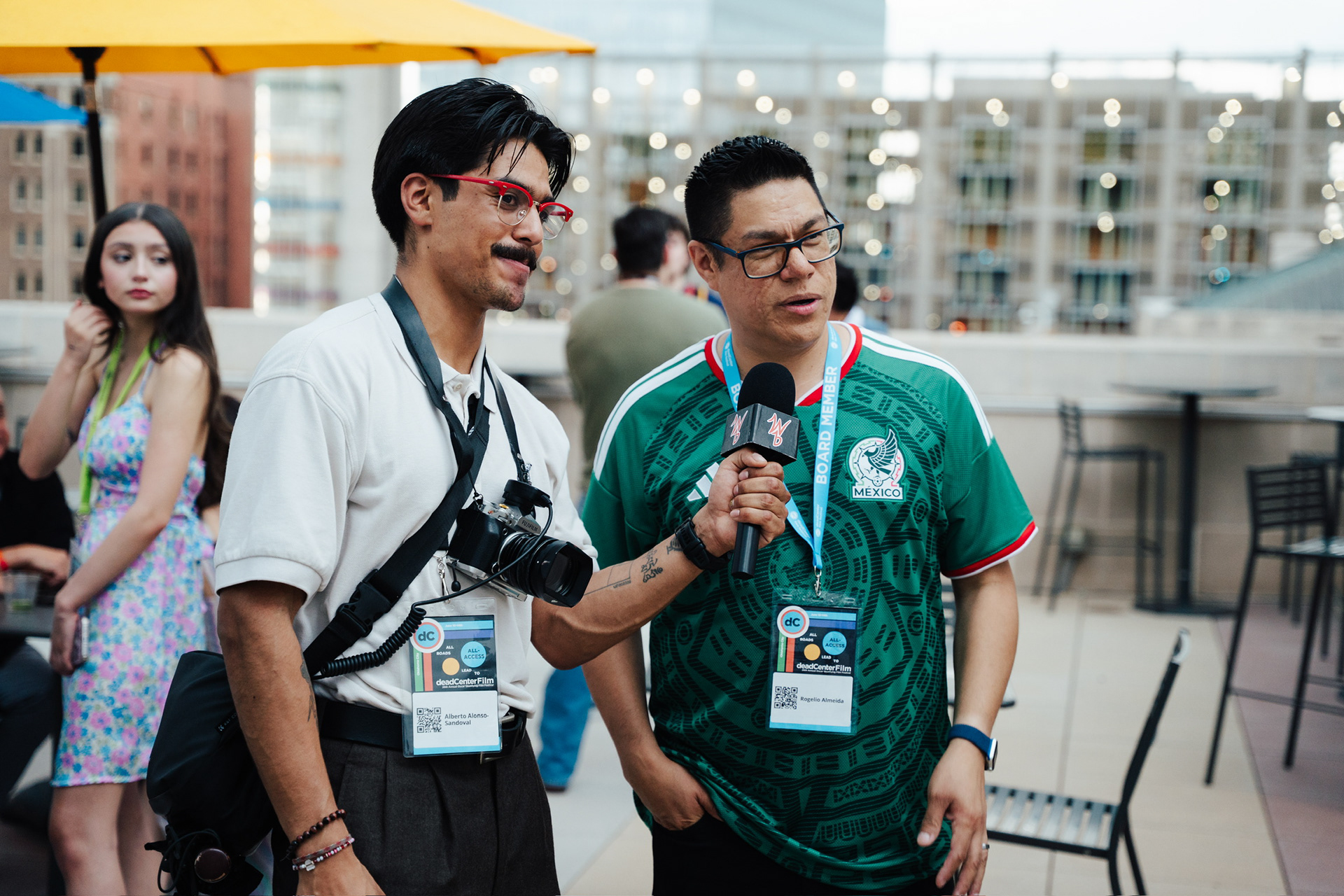
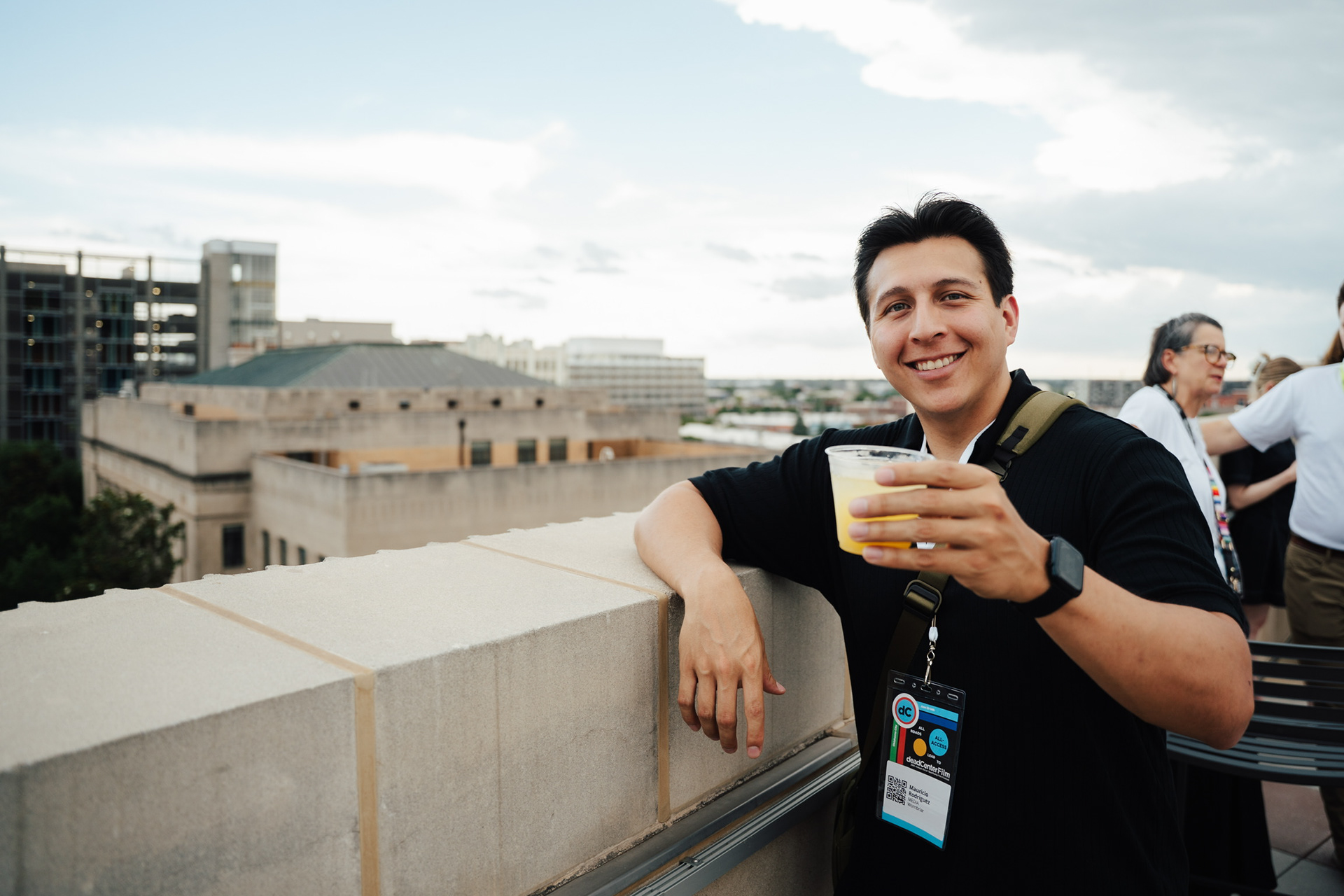
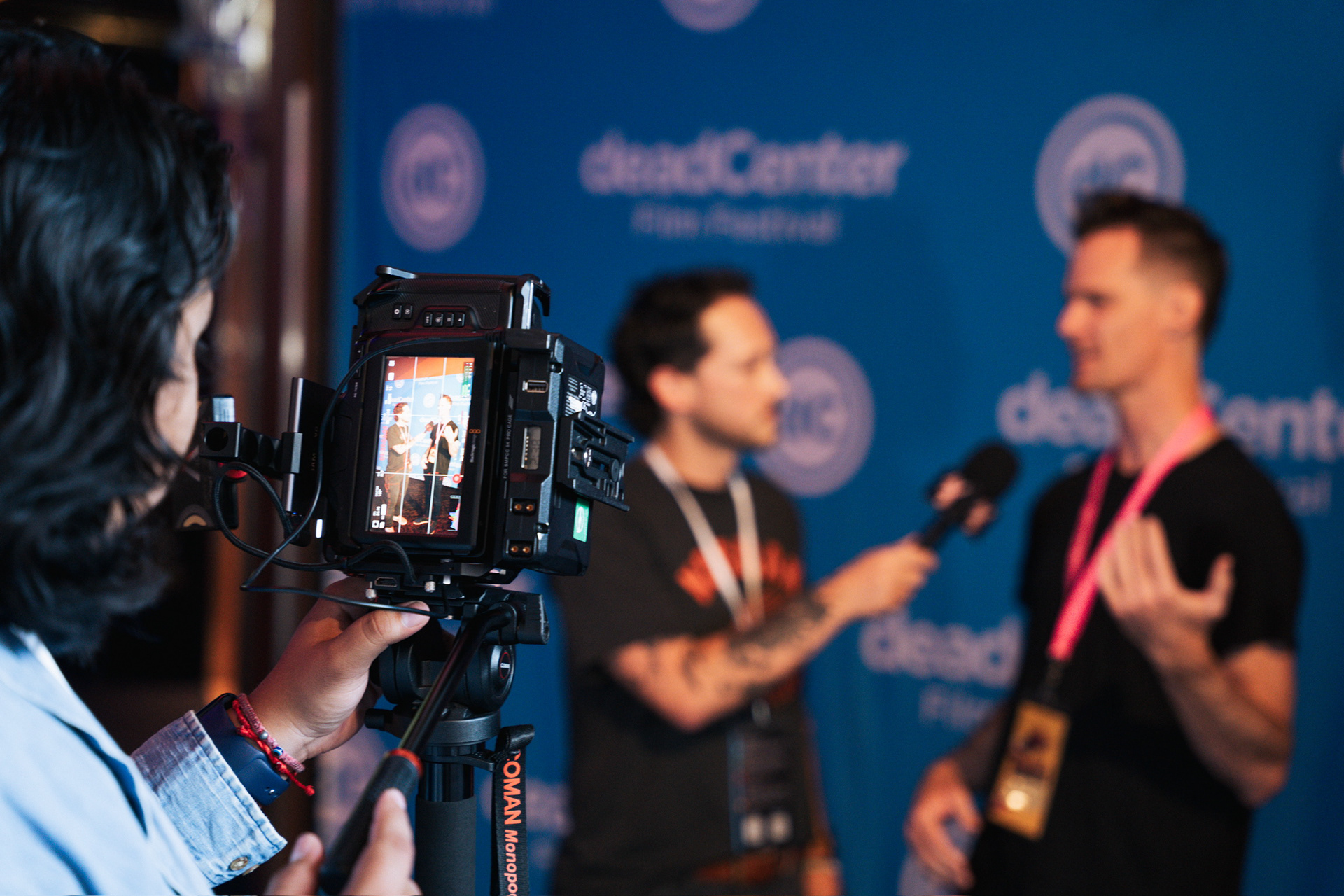
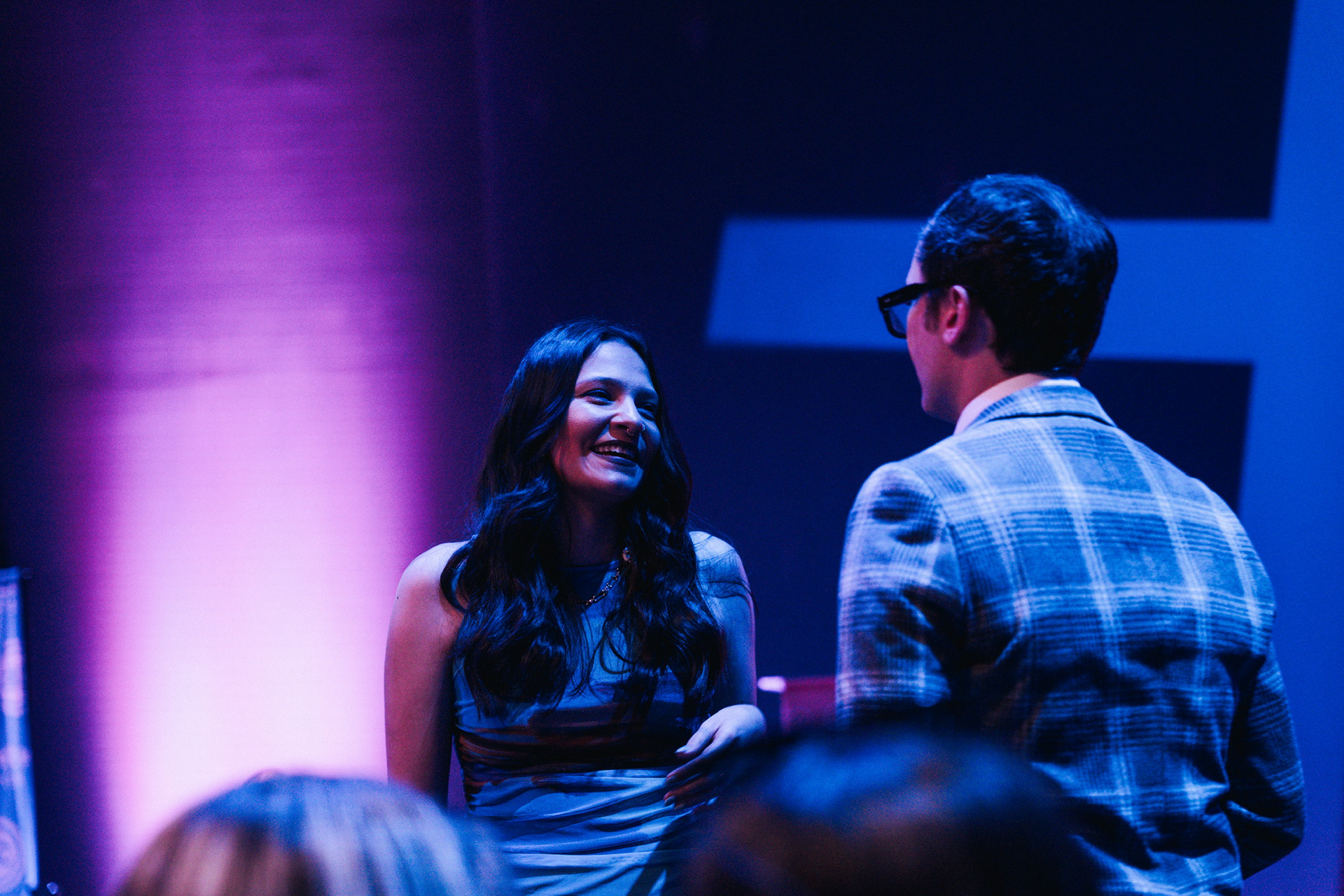
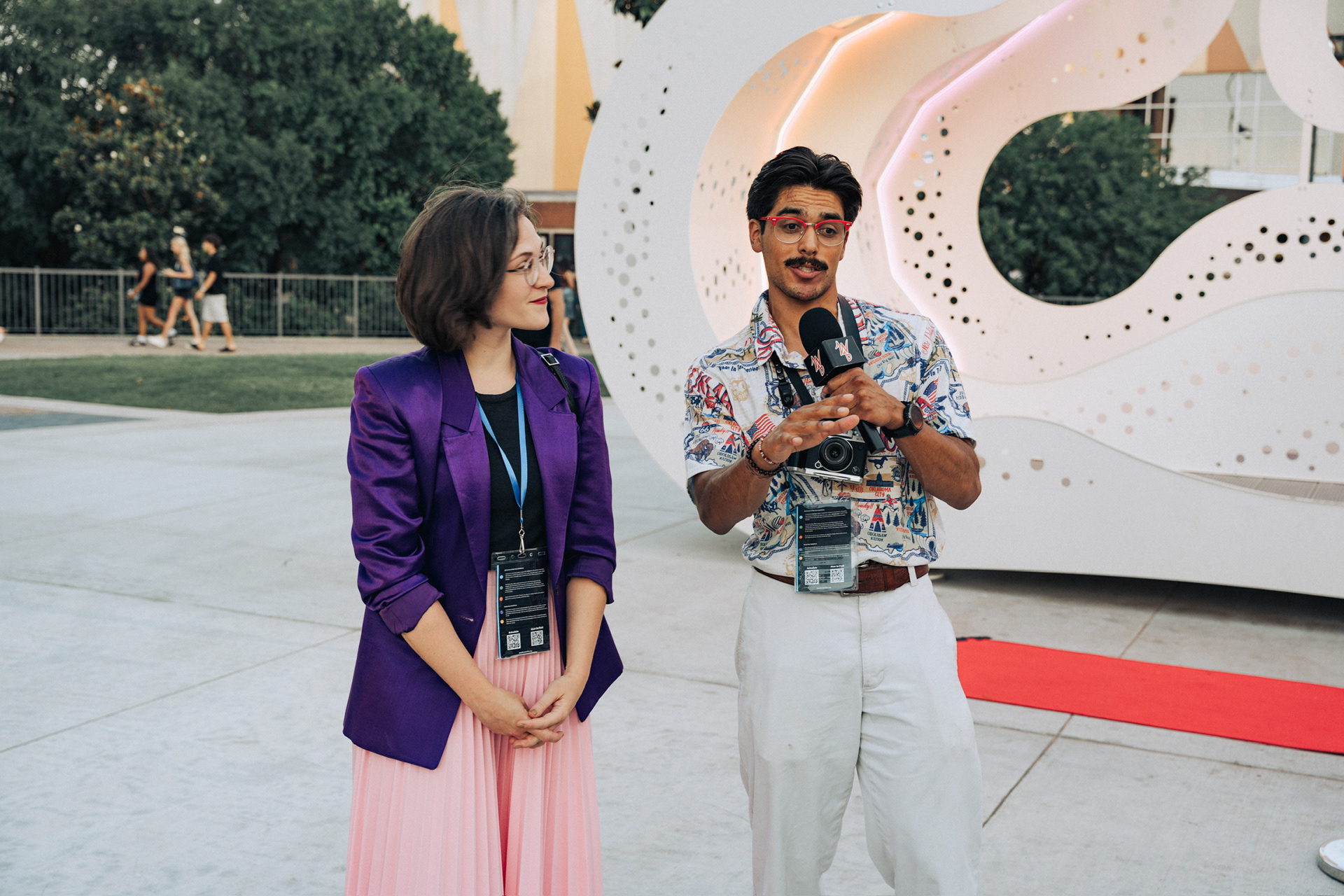
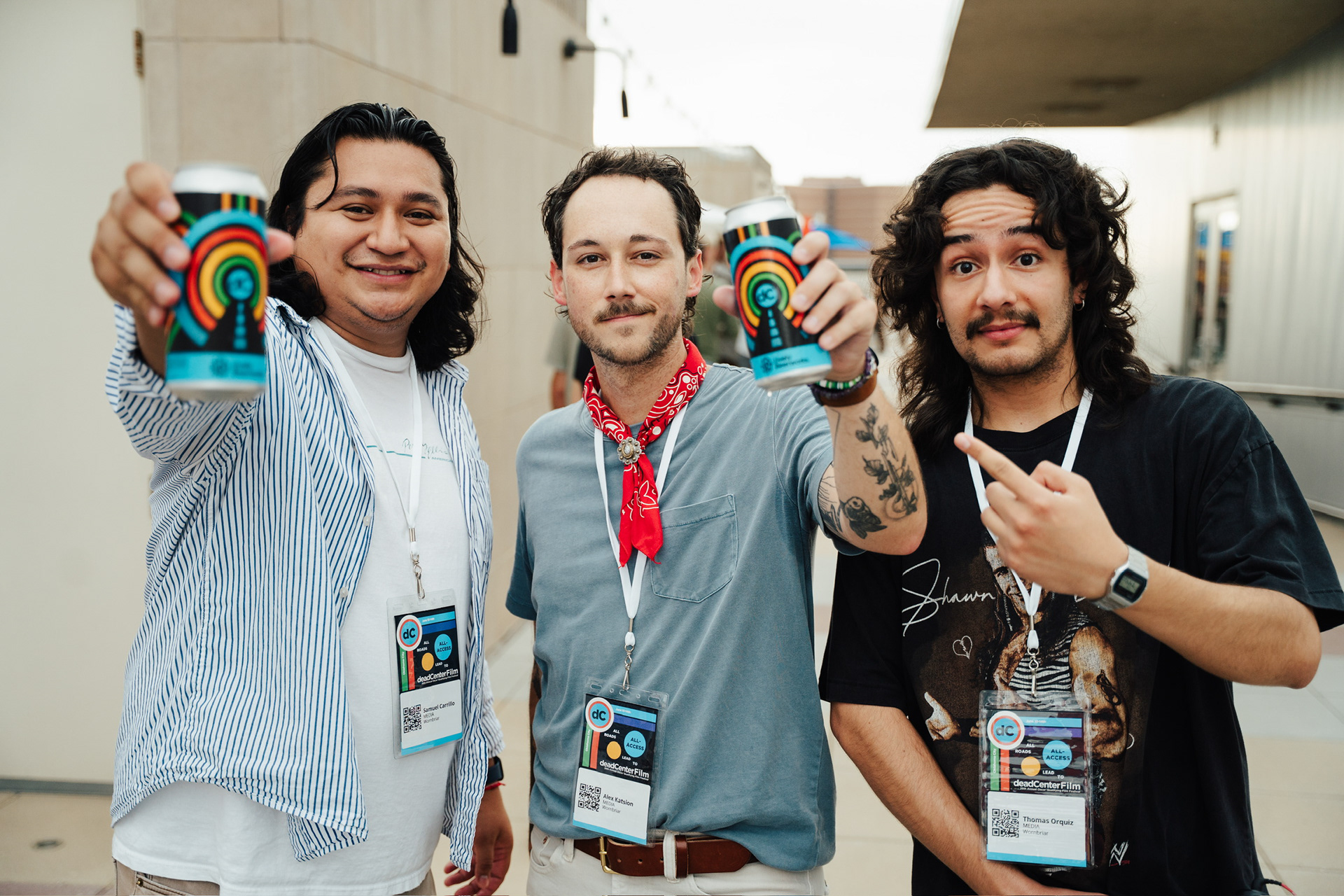
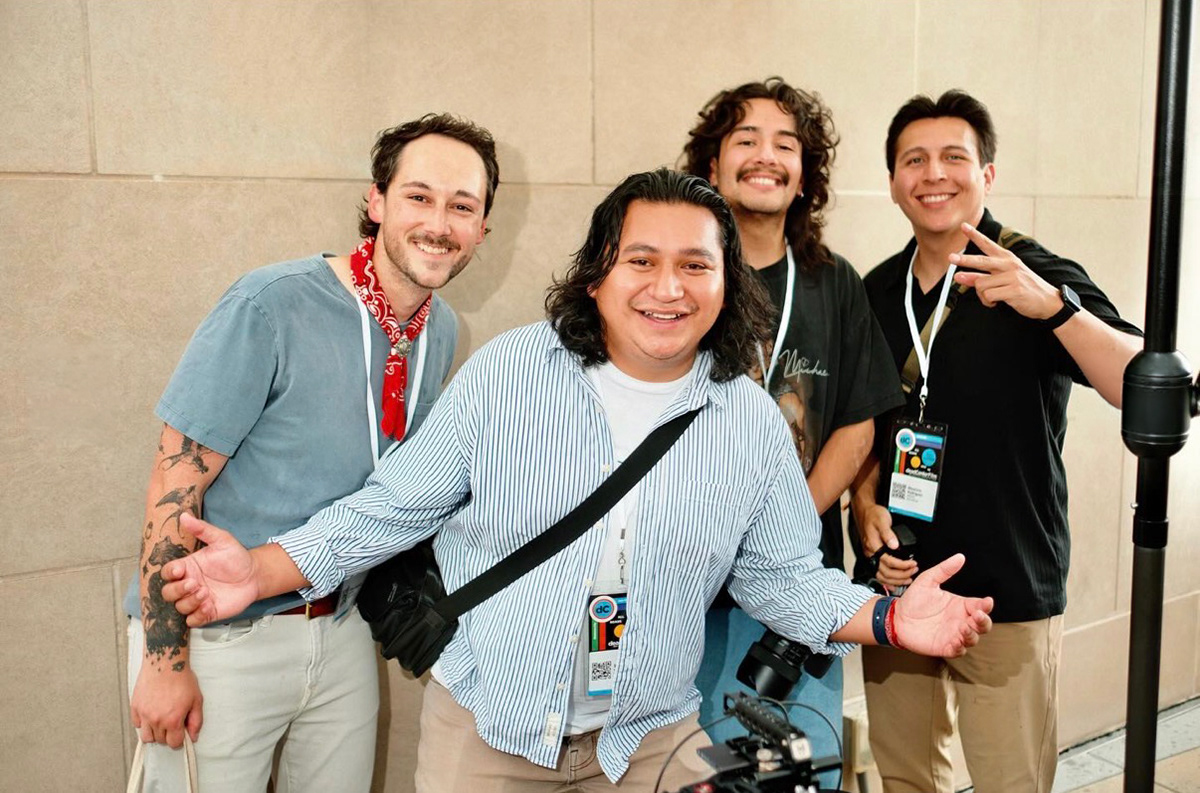
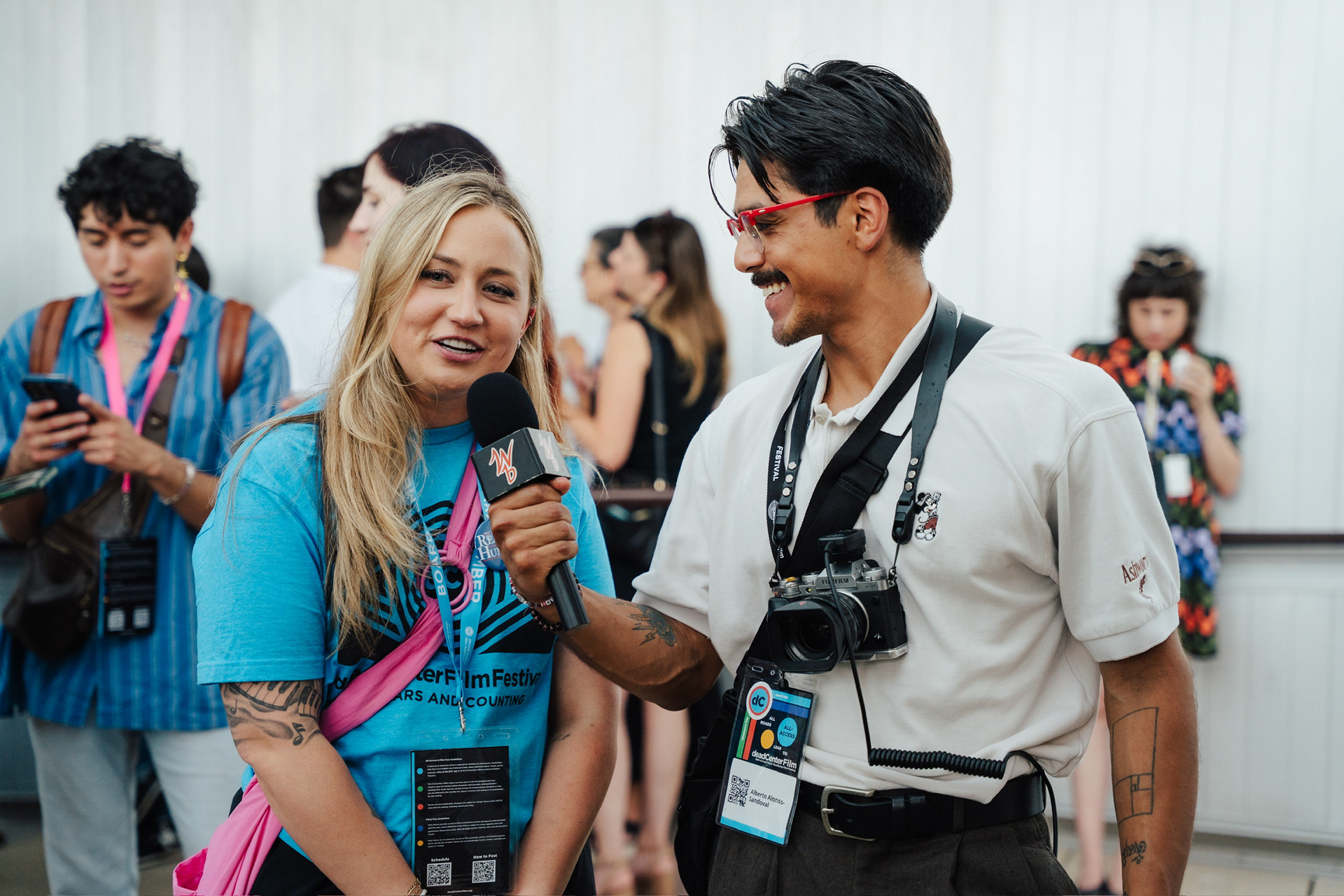
This was our first year covering deadCenter as Wornbriar. Some of us had attended before, and some of us were experiencing something like this for the first time. Either way, we walked away with the same feeling: there is something powerful about being surrounded by people who care deeply about film.
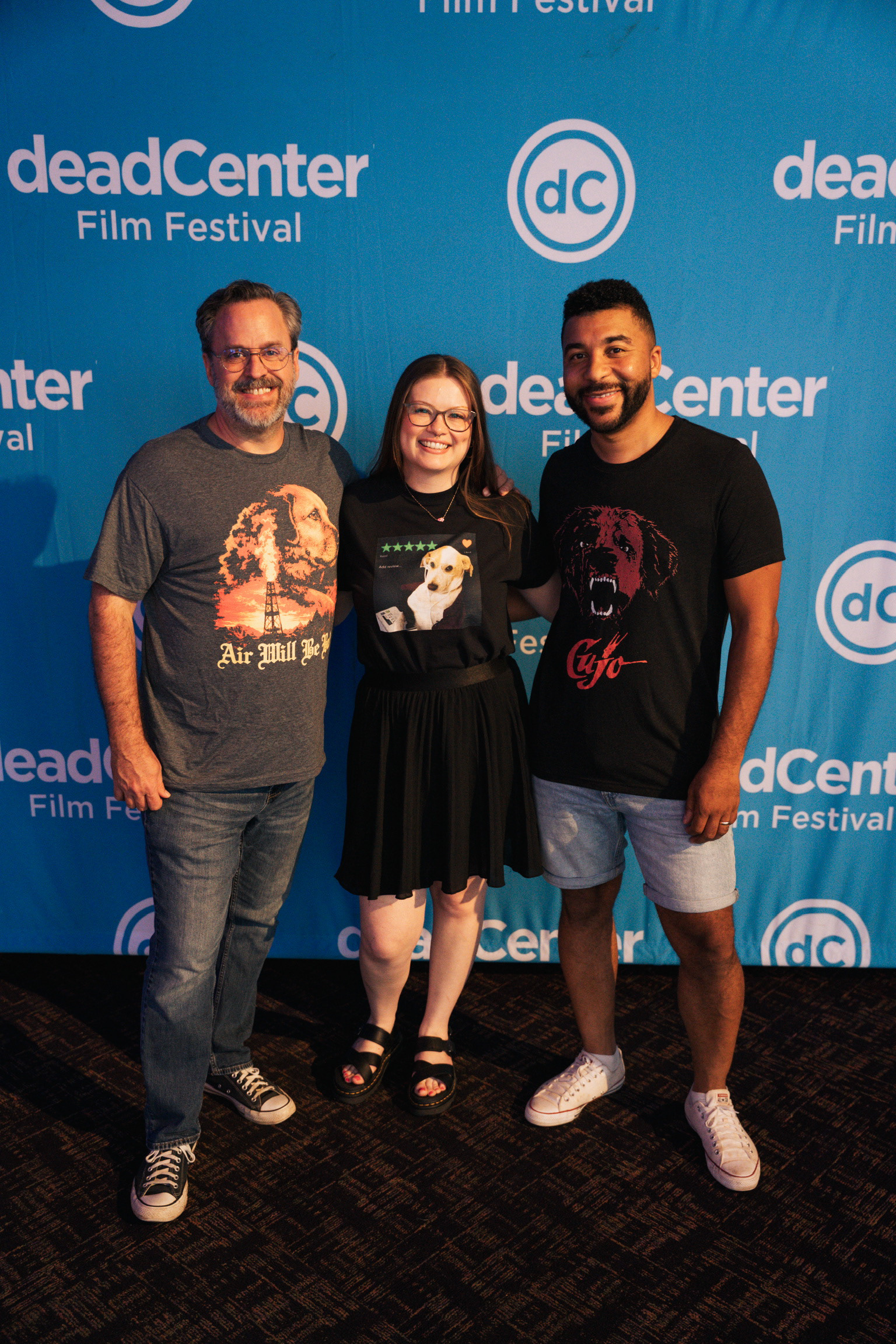
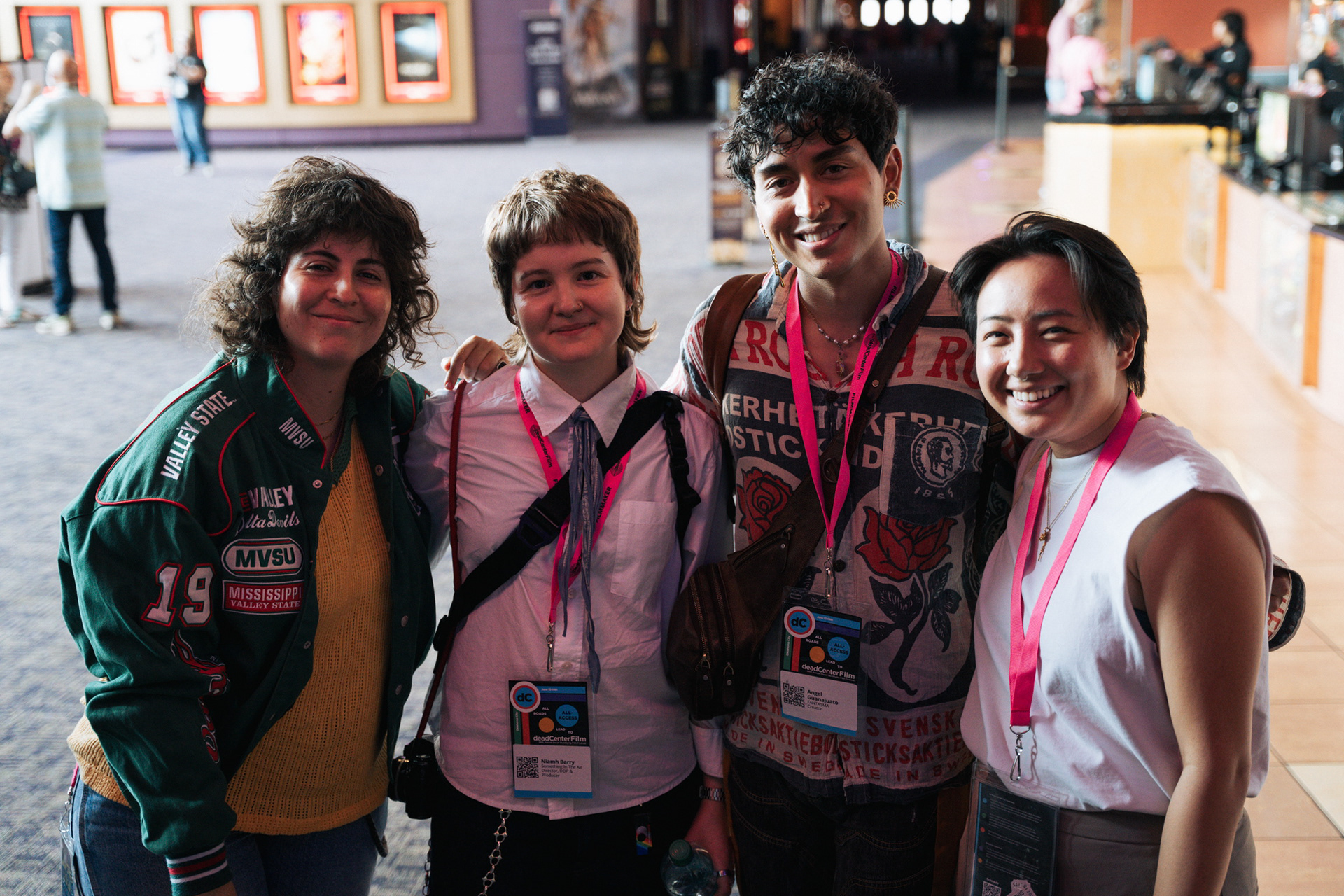
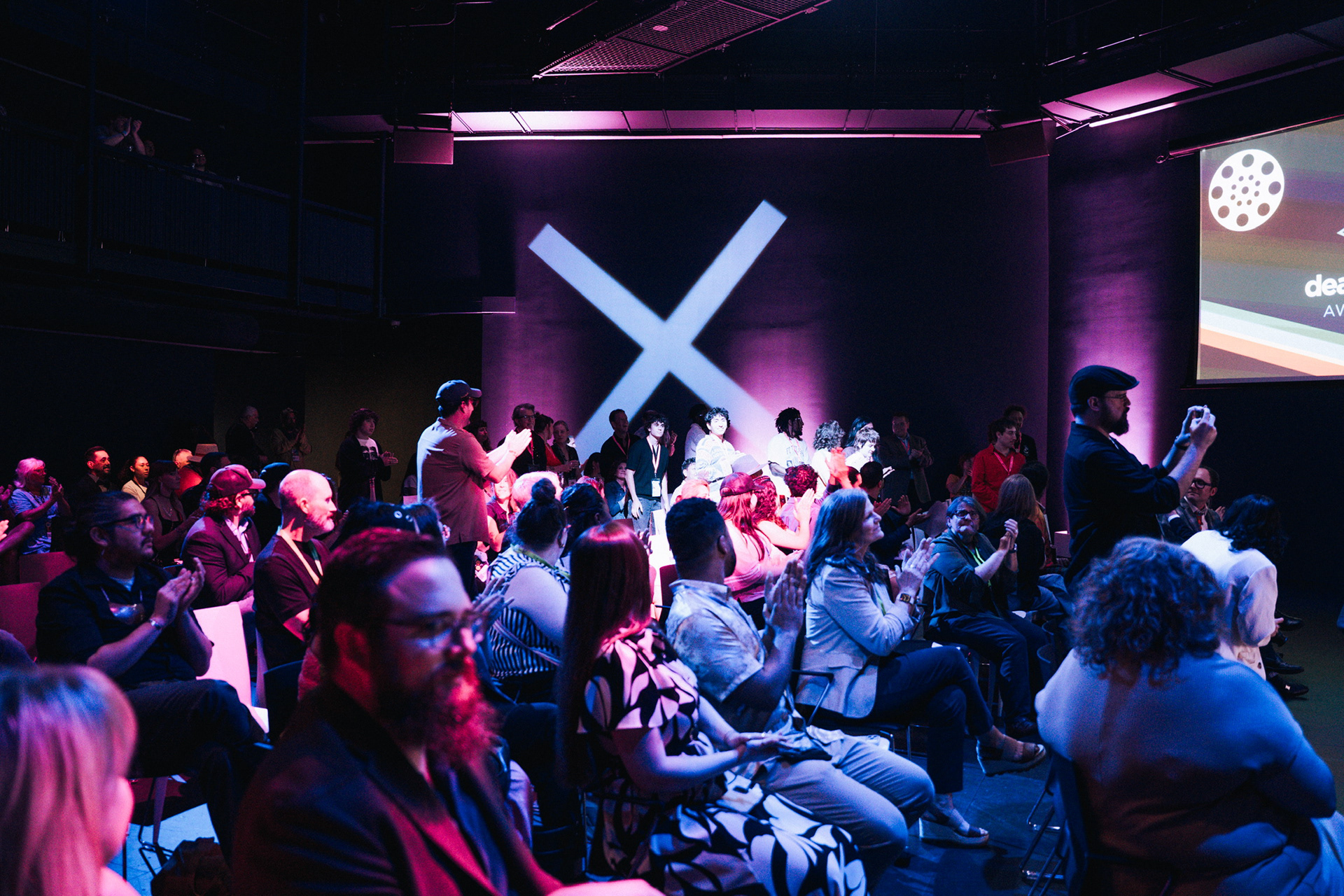
Writers. Directors. Actors. Producers. Programmers. Movie lovers. People with years of experience. People still figuring out where to begin. Everyone brought something different to the room, but there was a shared respect for the work. Film is not just entertainment. It is risk. It is vulnerability. It is a way of saying, “This story matters enough to put in front of people.”
That energy was everywhere.
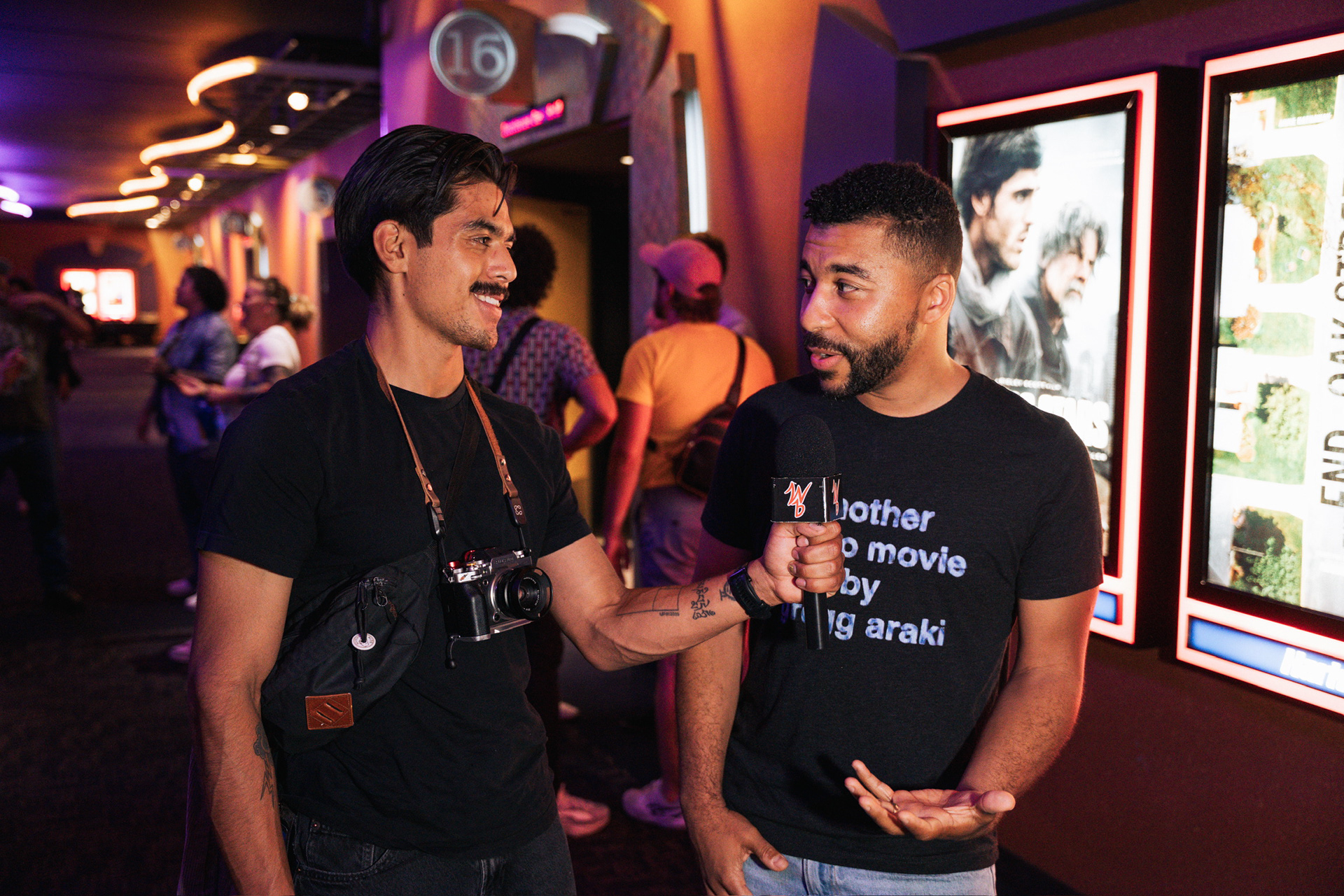
There was also a real sense of support. Filmmakers were not just there to promote their own work. They were watching each other’s films, asking questions, making connections, and encouraging one another to keep going. As a new company still cutting our teeth, that stood out to us. We had filmmakers reach out and ask if we would cover their movies, not because they were chasing attention, but because they understood how hard it is to get a story seen.
That is part of what makes festivals like deadCenter so necessary. They give small films a place to breathe. They give filmmakers a room full of people ready to listen. They give audiences the chance to see stories that might not make it to a multiplex or rise to the top of a streaming homepage. They keep space open for voices that are too often pushed to the margins.
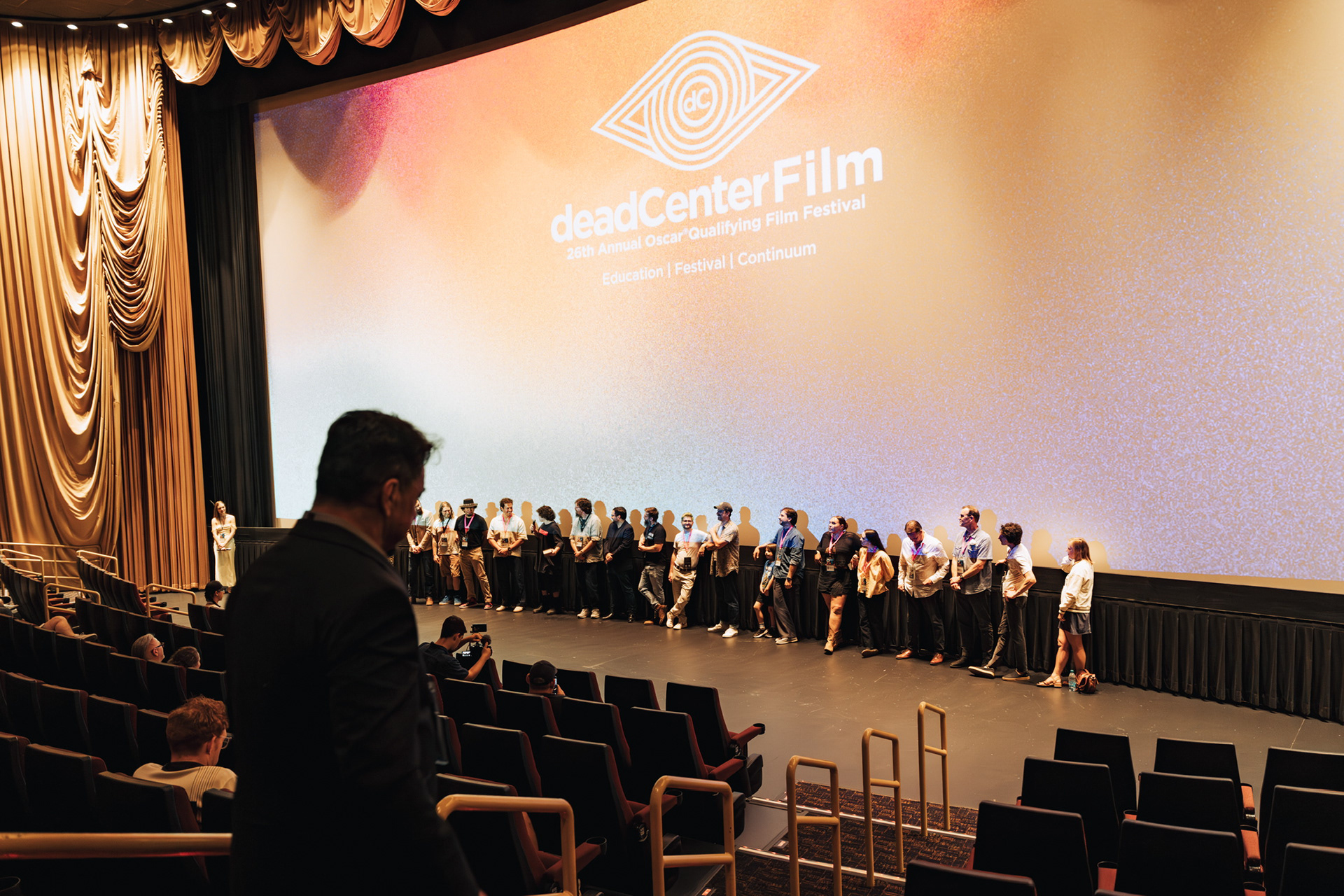
And for Oklahoma, that matters in a major way. deadCenter is Oklahoma’s largest and only Oscar-qualifying film festival, which means winners in select short film categories are eligible for Academy Award consideration. That is not a small thing. Films recognized here in Oklahoma can take a real step toward the biggest stage in film. For a state still growing its identity in the film industry, deadCenter is not just a festival. It is a doorway.
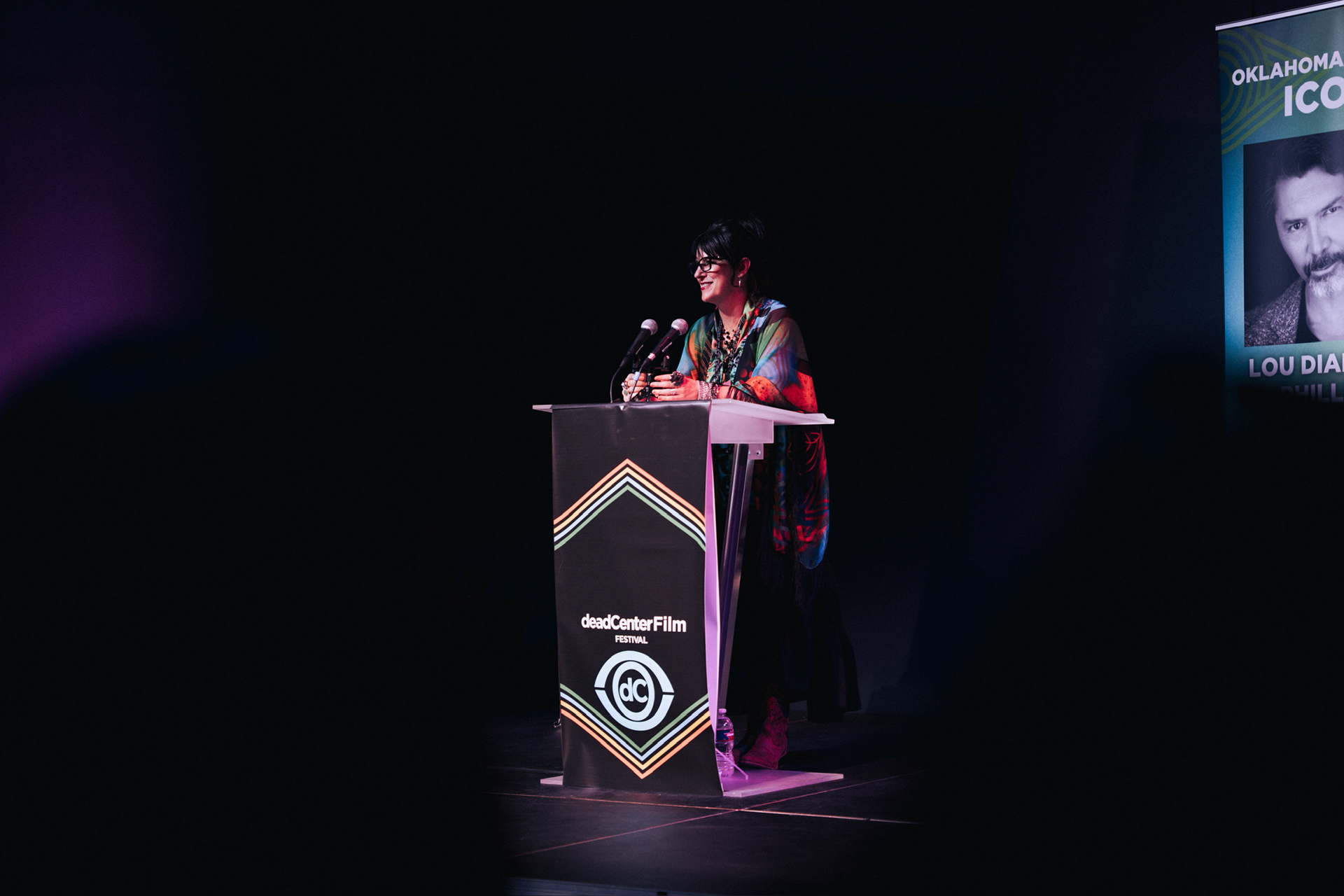
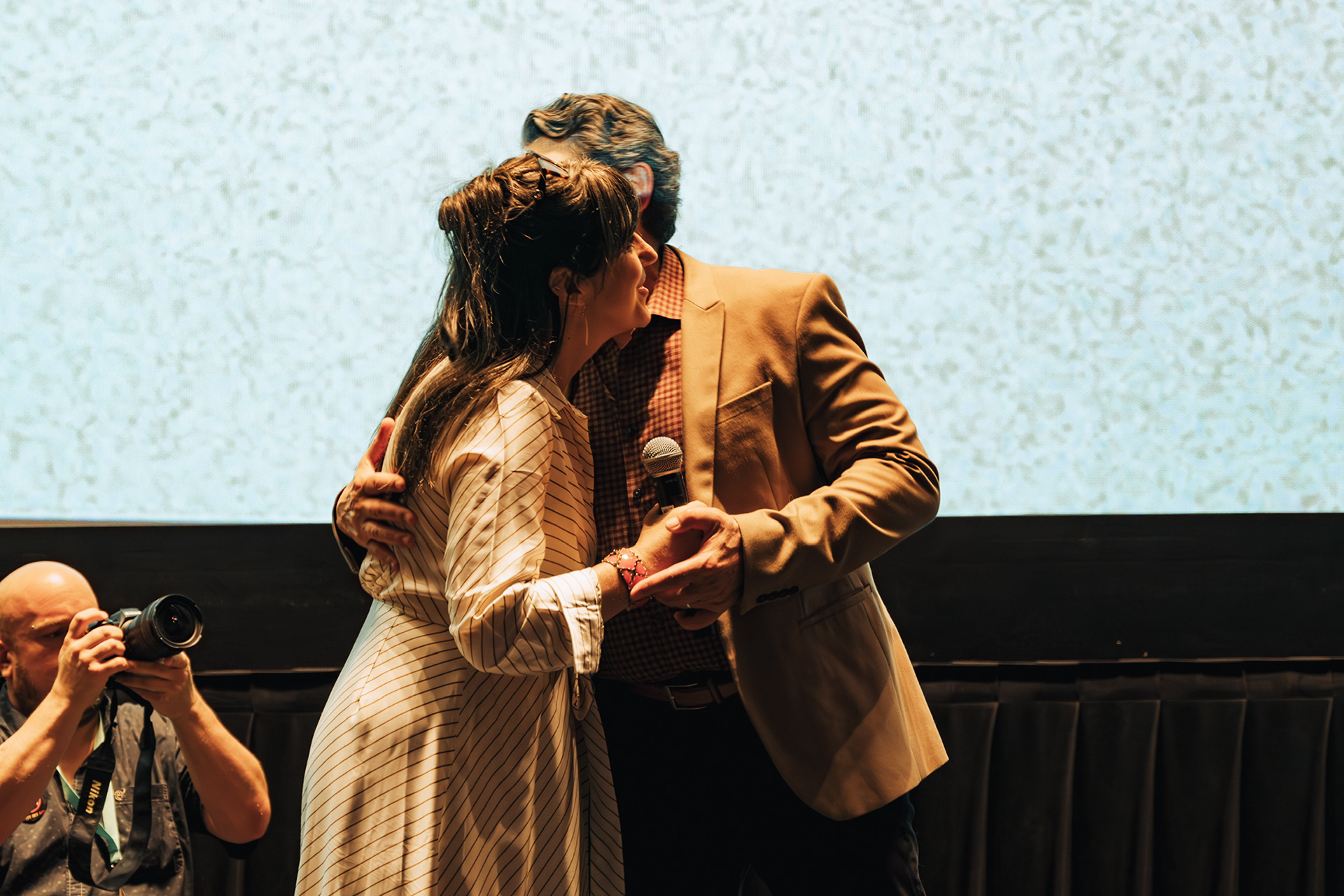
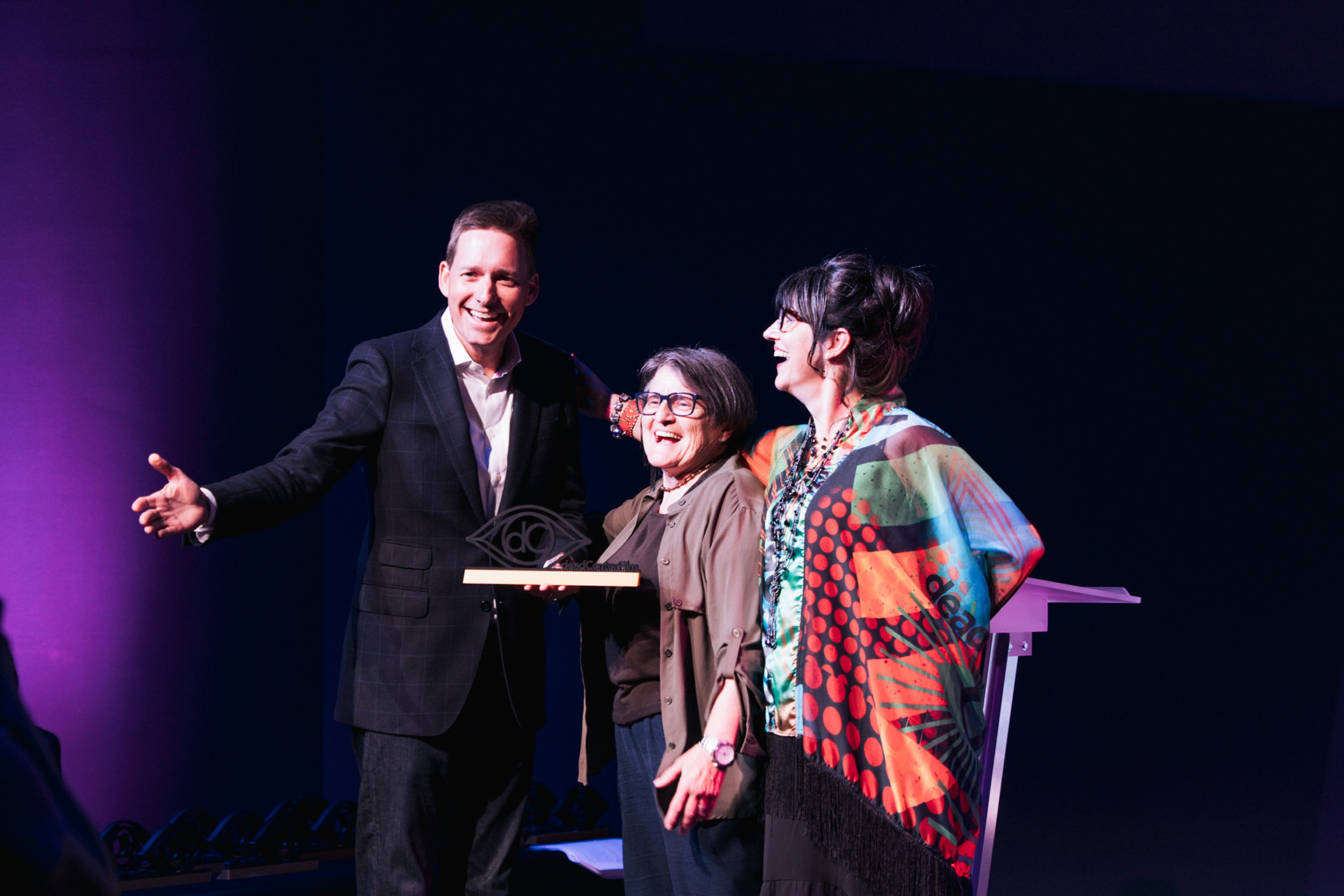
This year’s festival also marked Amy Janes’ first year as Executive Director, and it is clear she helped create something meaningful. To Amy, the deadCenter team, and everyone who allowed Wornbriar to cover the festival: thank you. It was truly an honor and a joy to be part of it.
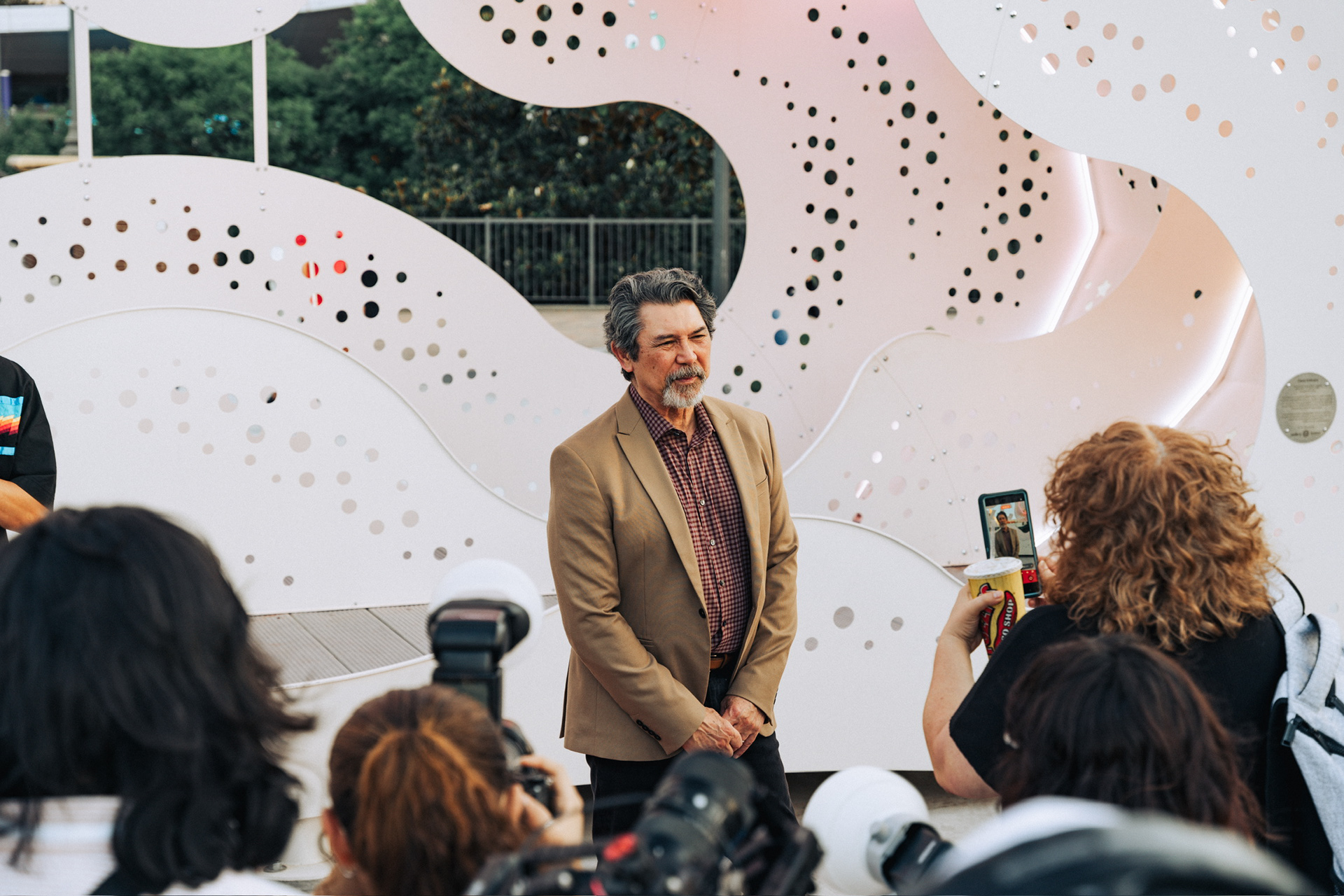
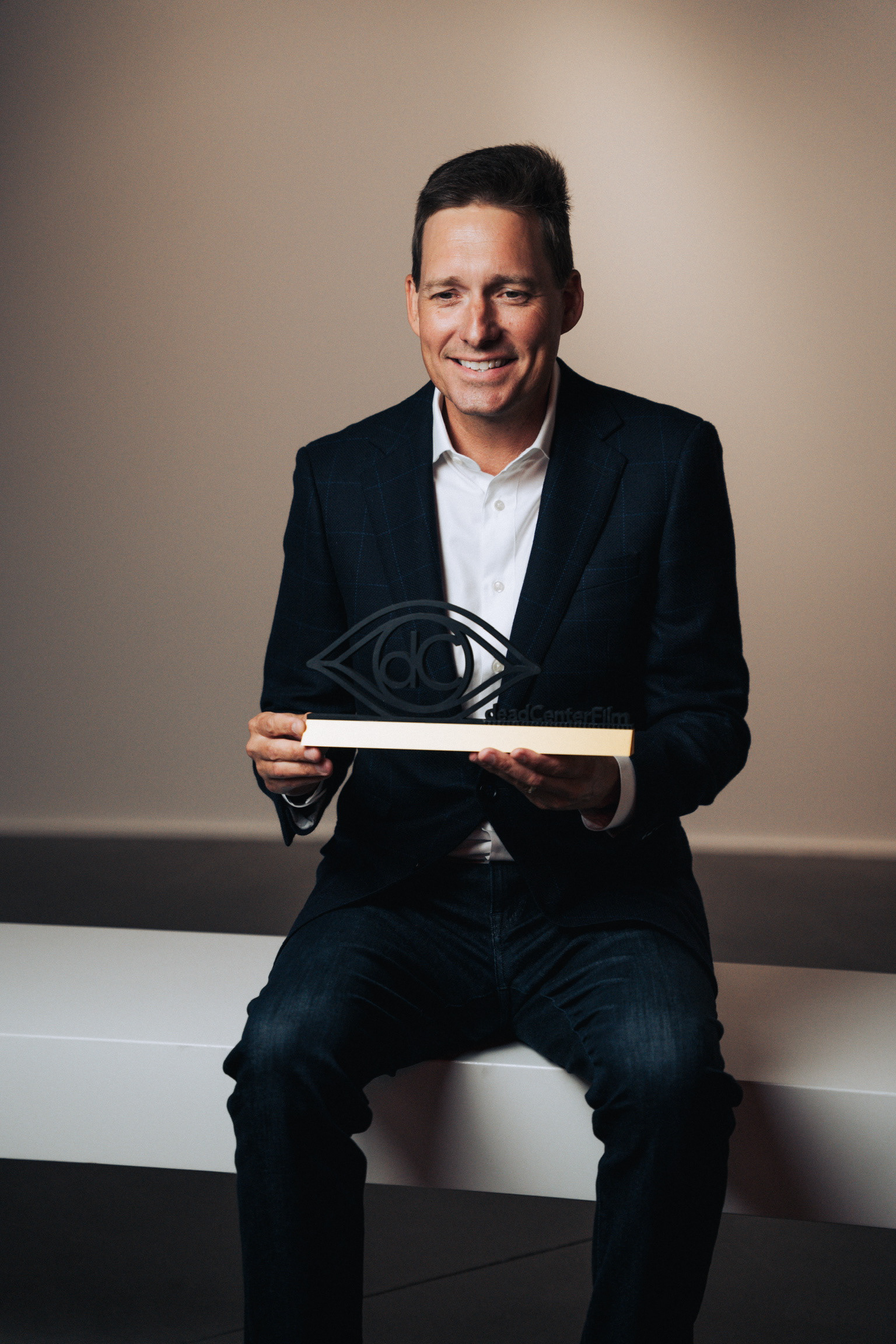
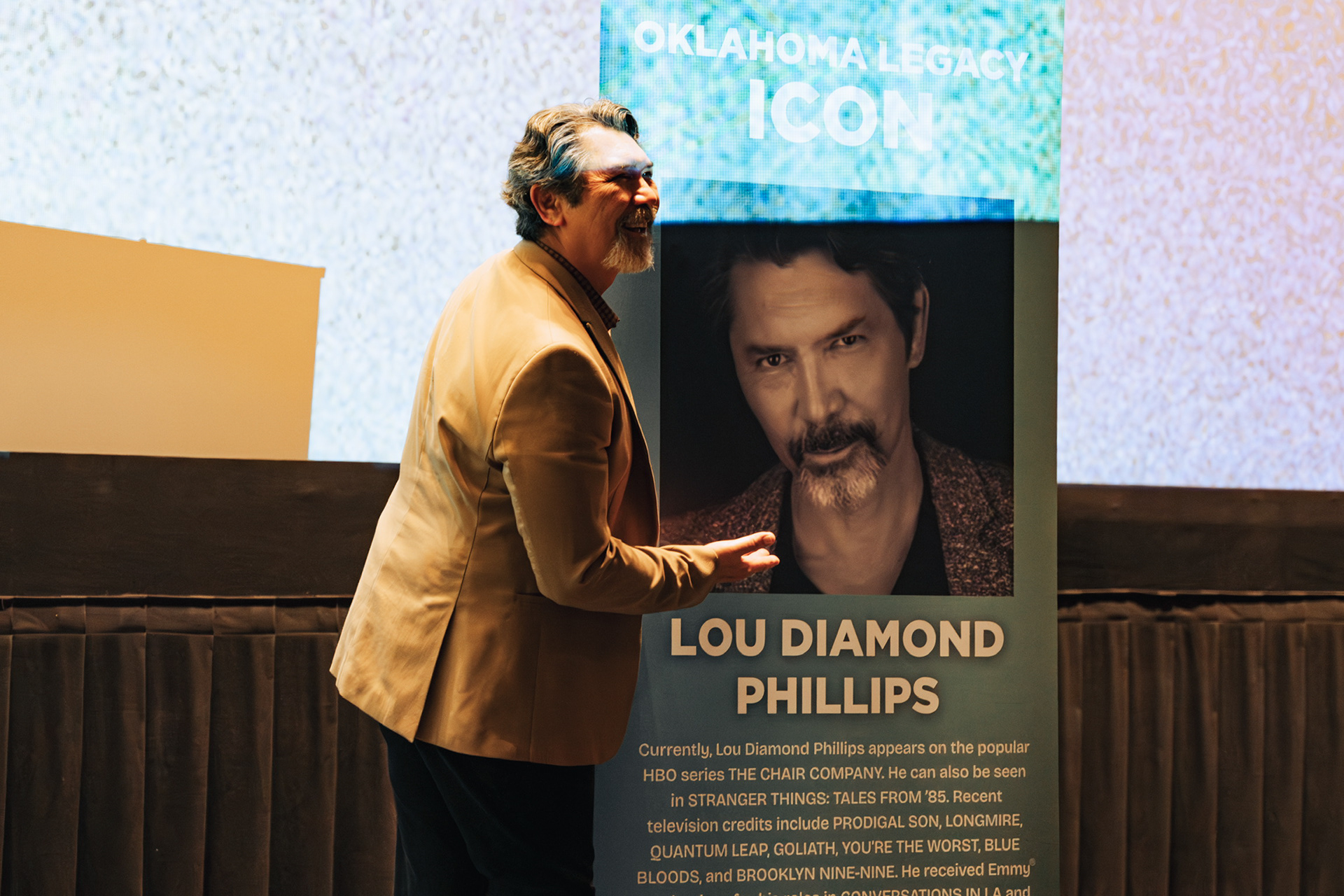
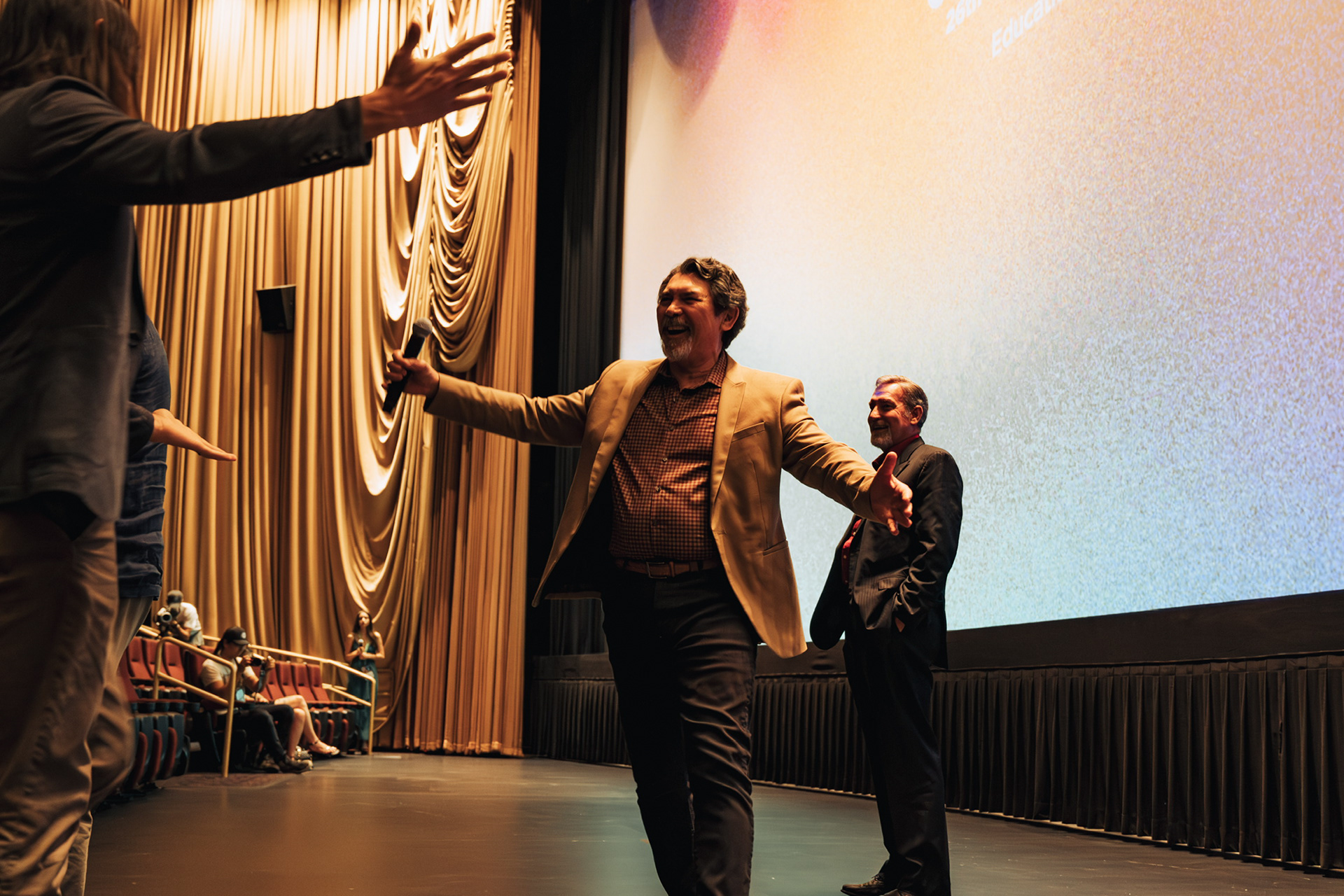
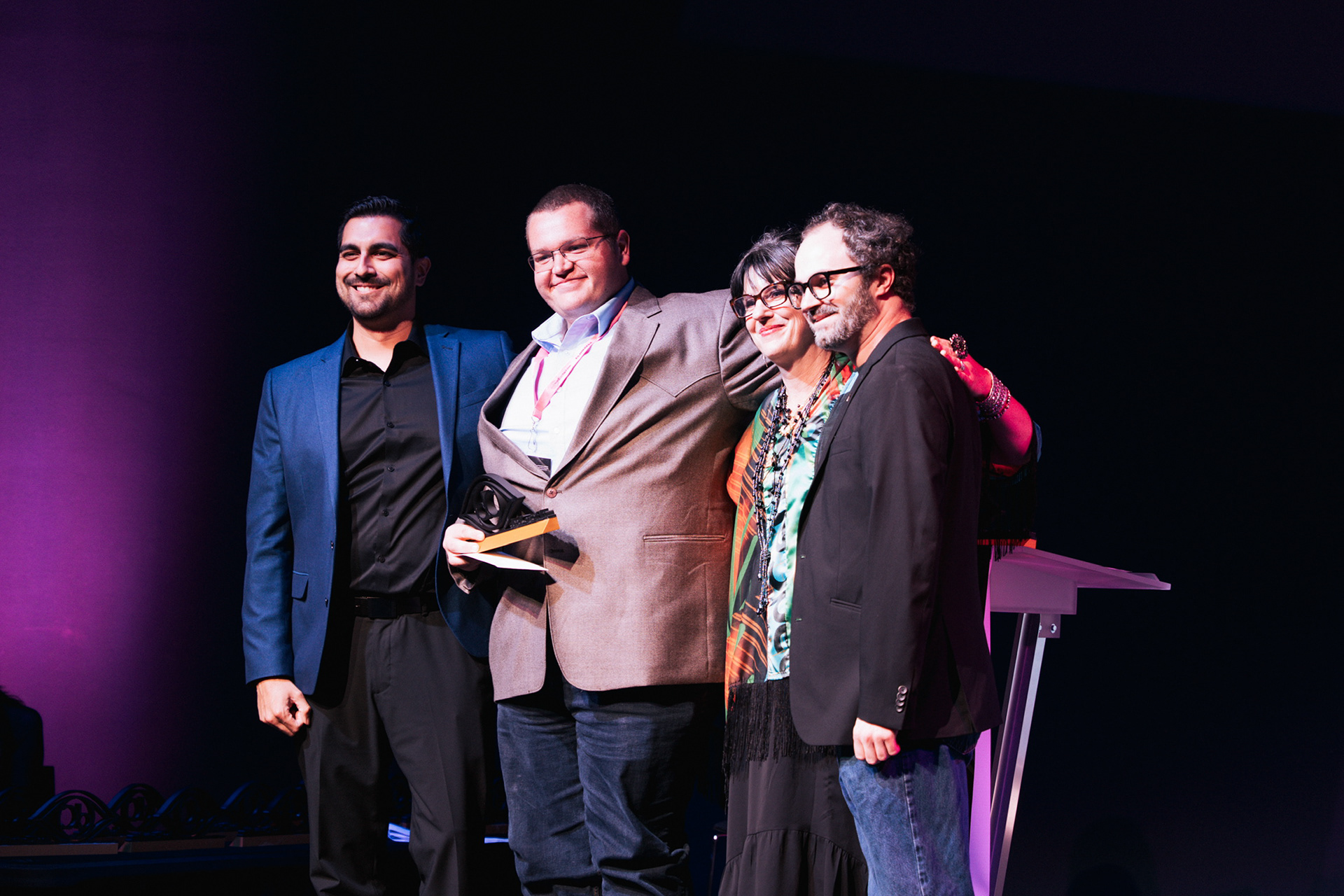
The awards reflected the strength and range of the festival. Keep Quiet, now titled Gangland, was one of the festival’s biggest winners, taking home both Best Narrative Feature and Best Oklahoma Feature. The film, starring Lou Diamond Phillips, was a powerful example of Oklahoma storytelling that feels both specific and universal. Sell Your House, another film that stayed with us, received an honorable mention for editing and creative filmmaking. What Will I Become? won Best Documentary Feature, while Reservation Redemption was recognized as Best Indigenous Feature.
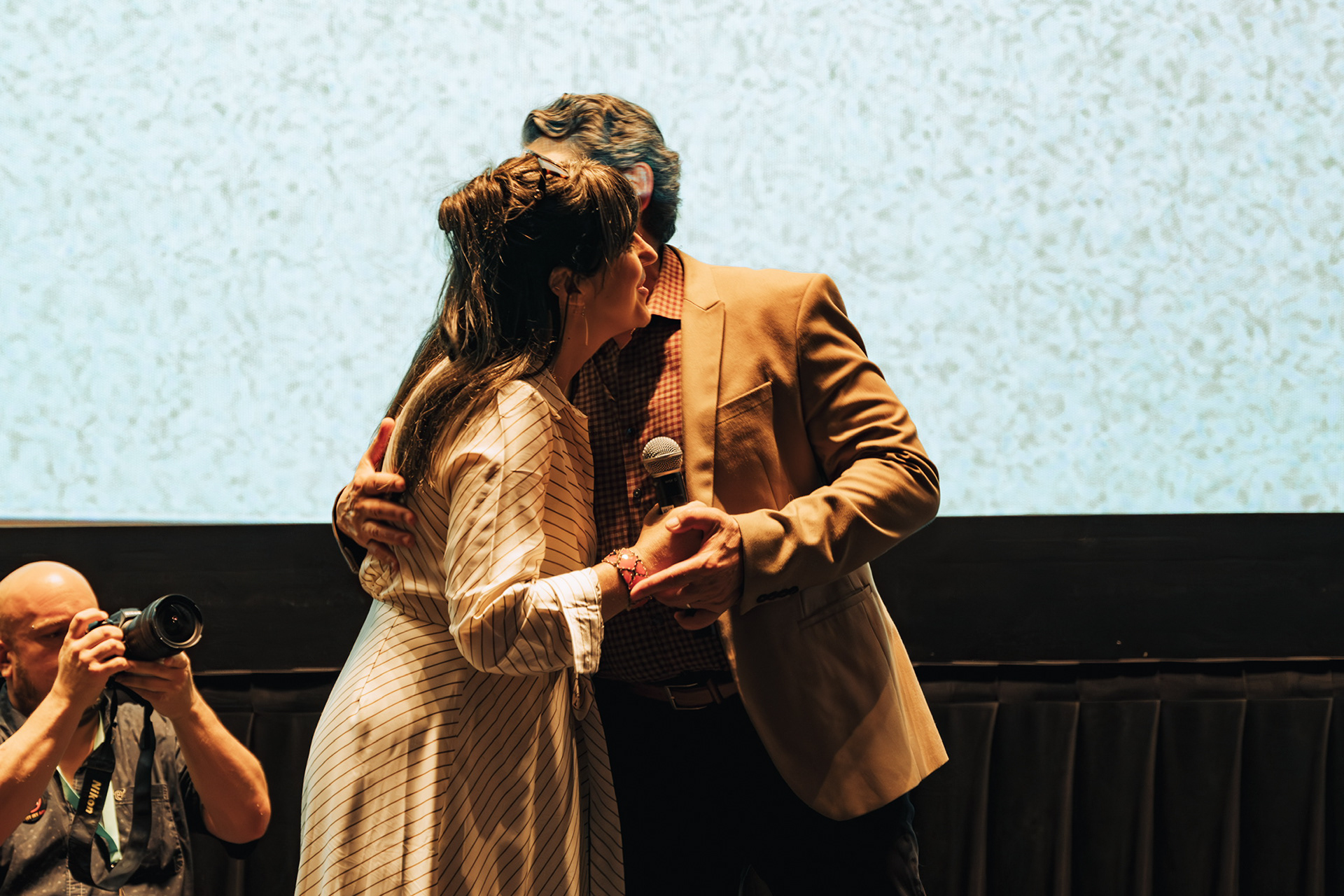
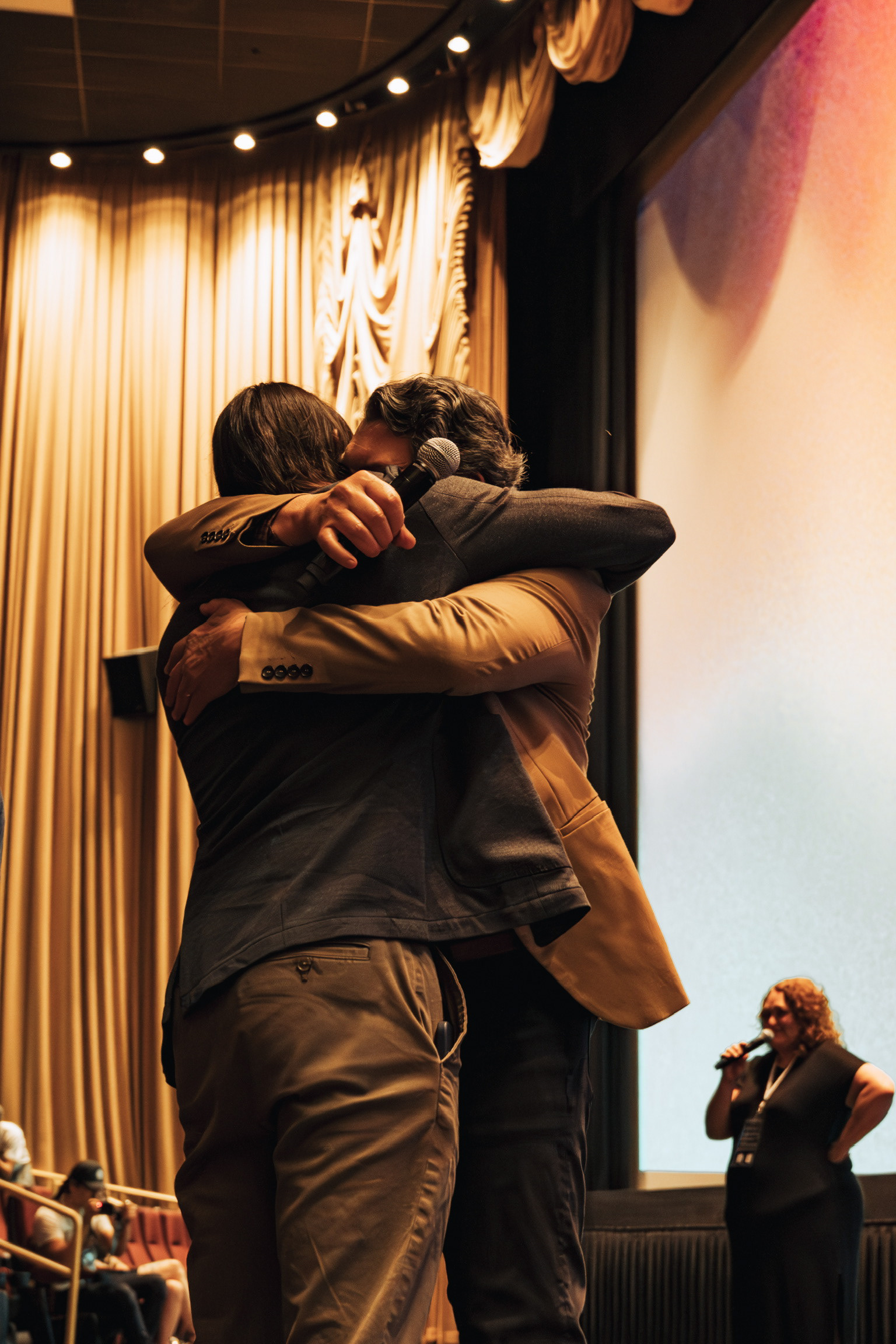
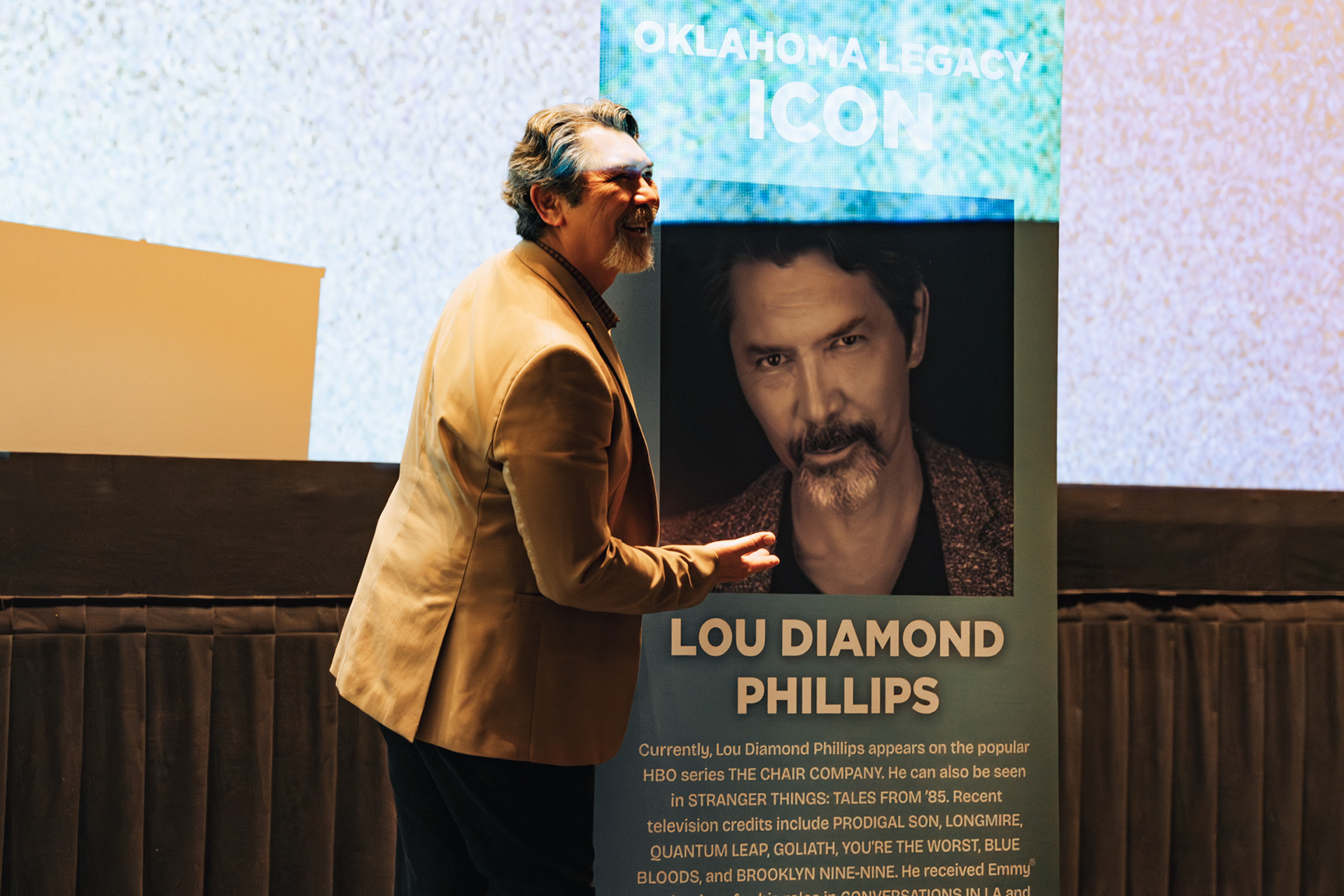
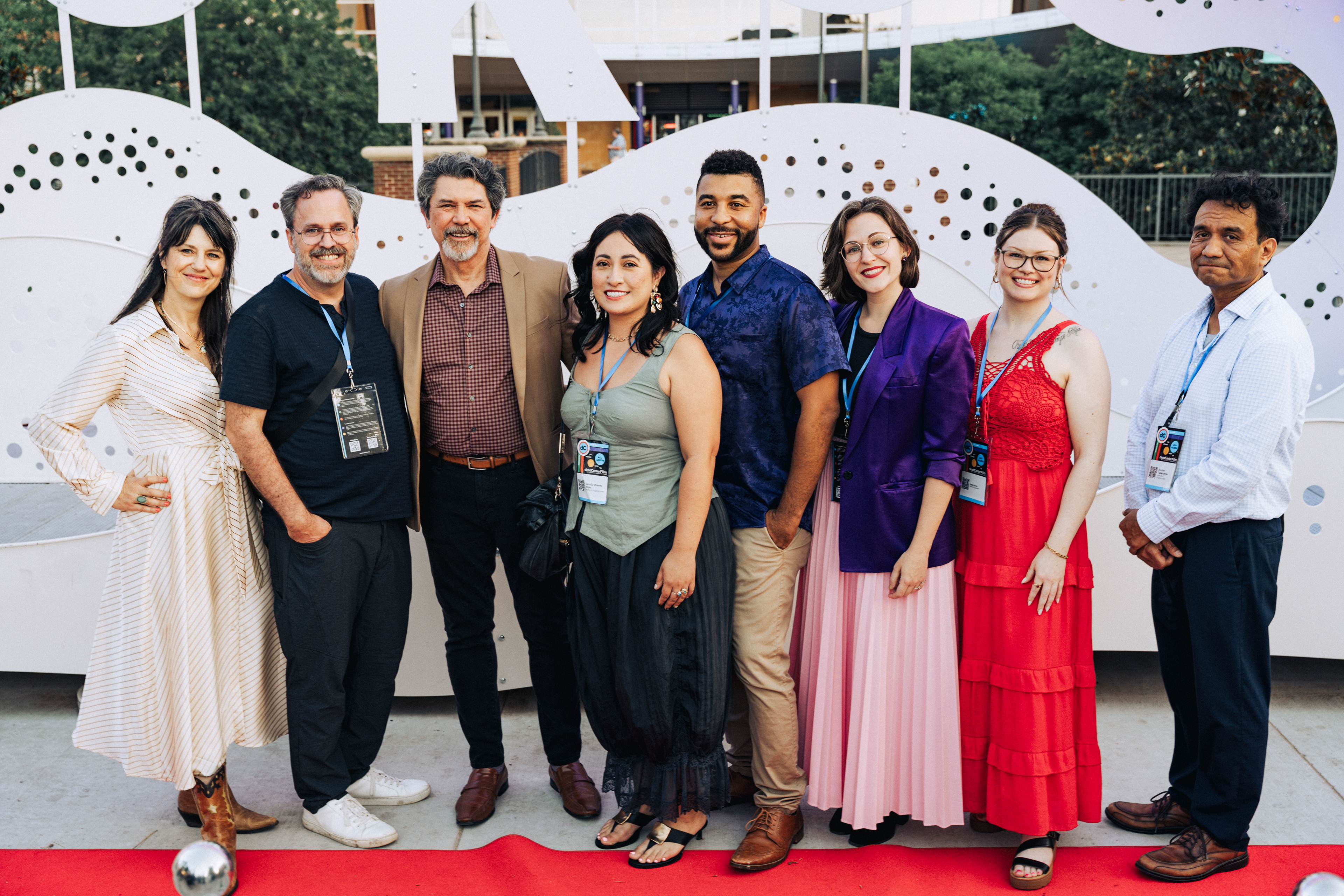
Reservation Redemption was one of the stories that stayed with us most. The documentary follows an Indigenous man who murdered two people as a teenager and spent more than 30 years in prison, trying to keep hope alive in a place where hope seemed impossible. What makes the story so complicated and moving is not that it excuses what he did. It does not. Instead, it asks what it means for a person to change. While he had no real chance of getting out, he still poured into others. He taught other inmates about Indigenous ways, culture, and tradition. He helped people reconnect with something deeper than their circumstances. Watching that story unfold was difficult, but it was also deeply human.
That is what strong films can do. They can hold tension without flattening it. They can make you wrestle with something instead of handing you an easy answer.
Across the festival, there were stories about Indigenous communities, the LGBTQ+ community, friendship, ambition, grief, identity, survival, art, and the cost of chasing a dream. The kind of stories that remind you the film industry does not only change when a major studio decides to take a risk. Sometimes change starts in rooms like this, at festivals like deadCenter, where someone gets a microphone, a screen, and a chance.
Another film that has continued to run through our minds is The Last Picture Shows. The documentary follows a filmmaker traveling around the country visiting local movie theaters, many of them struggling to stay open in an era of streaming, rising costs, and changing habits. The film showed old photos of these theaters full of life, then brought us back to the present, where some of those same buildings are barely holding on.
It was hard not to feel the weight of that. Local theaters are more than buildings with screens. They are gathering places. They are memory holders. They are part of how communities experience stories together. Watching The Last Picture Shows during a festival like deadCenter made the message even clearer. We cannot say we care about film and ignore the places that keep film communal.
Wornbriar’s Thoughts
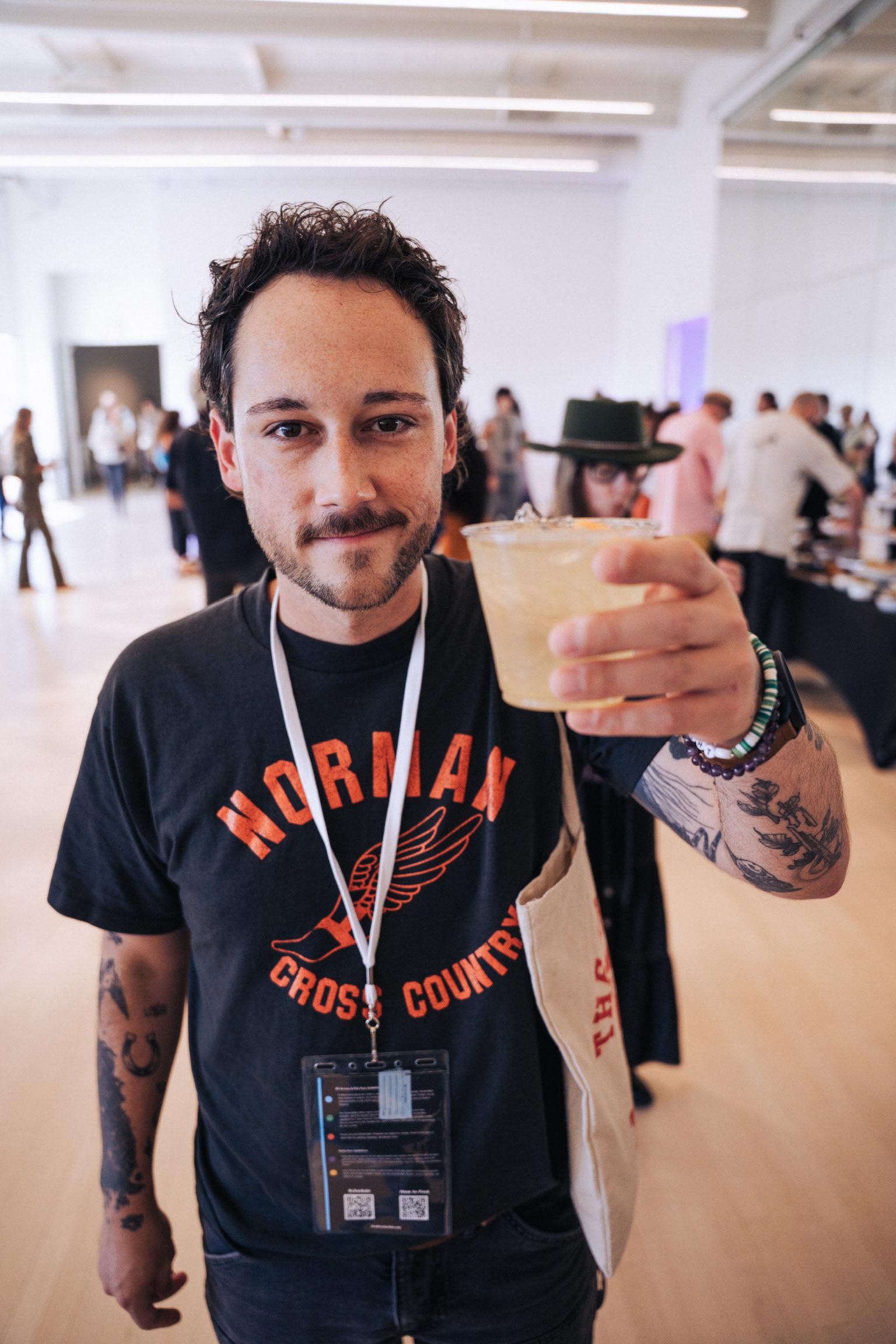
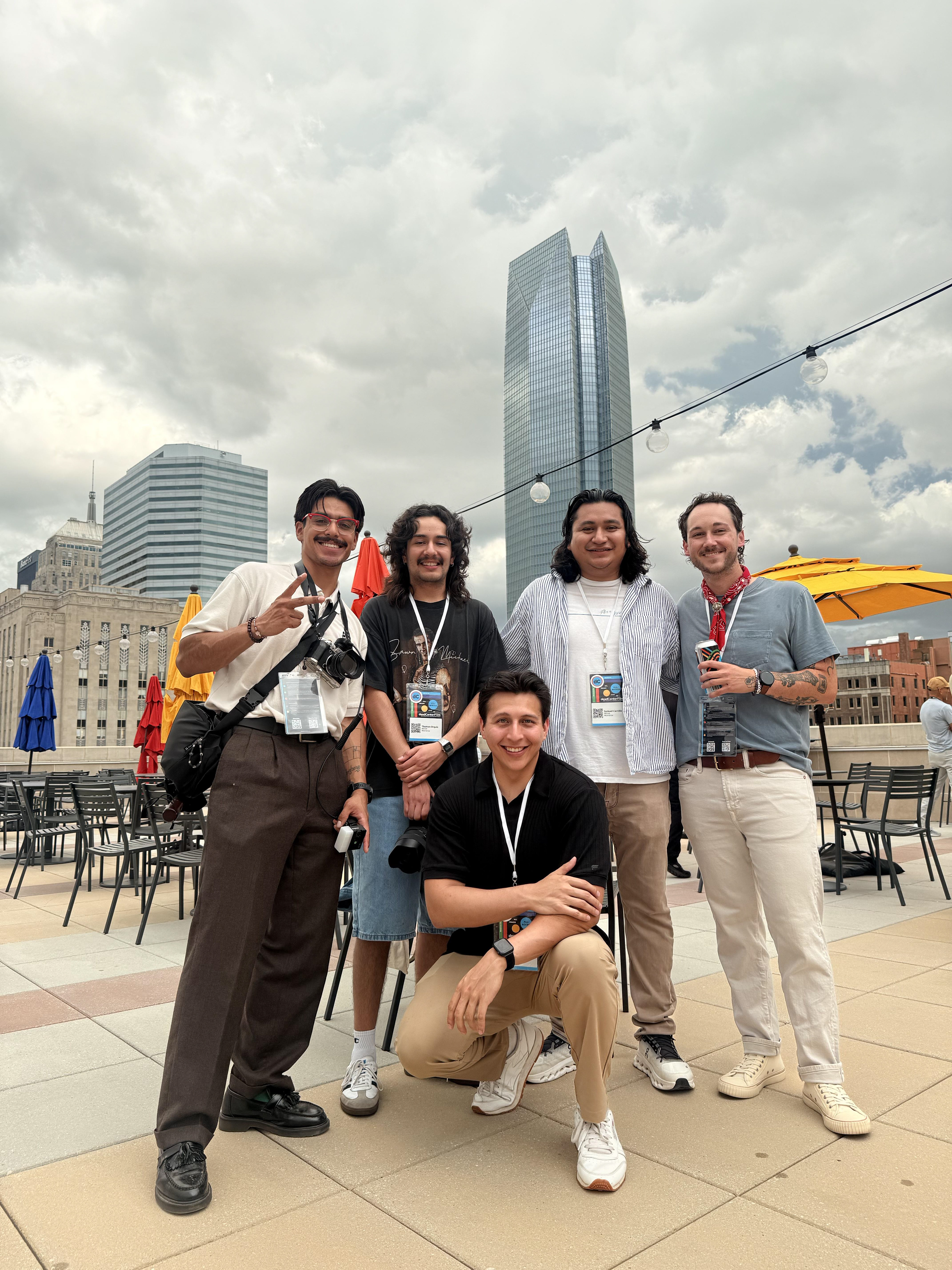
Some of us were attending for the first time. Sam had been before. But each of us walked away with a deeper appreciation for what deadCenter means to Oklahoma City. It is more than a film festival. It is a gathering place for filmmakers, artists, and film lovers to share stories, reconnect with old friends, build new relationships, and remember why creating art matters.
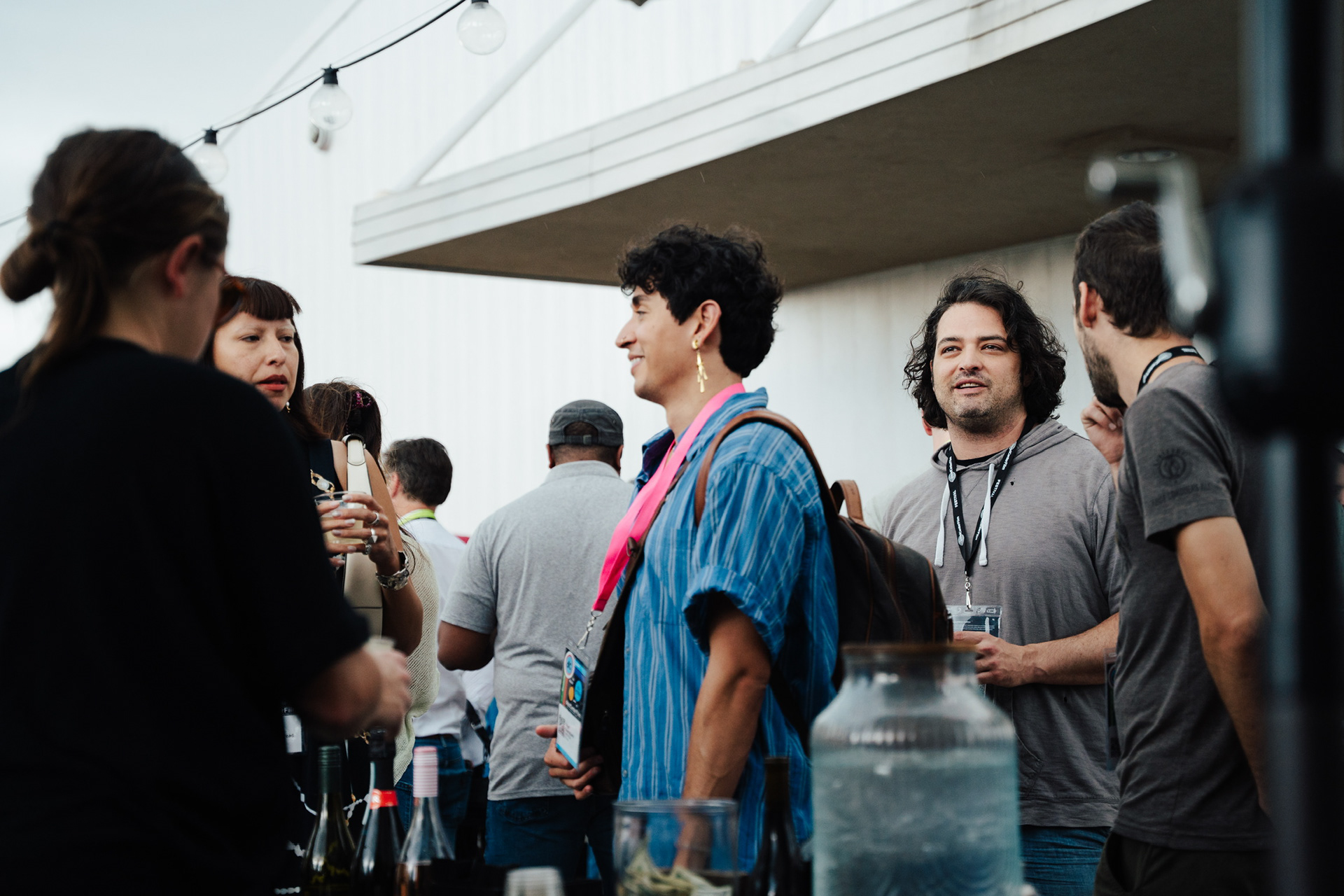
That sense of connection was one of the biggest things we felt throughout the weekend. More than the screenings, panels, or interviews, what stood out was how much people were investing in one another. There was encouragement instead of competition. There was a shared belief that stories matter, even when the path to making them is difficult.
And that matters, especially now. At a time when film festivals across the country and in our own state are struggling, scaling back, or disappearing altogether, deadCenter continues to show what a festival can be. It creates space for independent voices to be seen, supported, and celebrated.
The message we kept hearing throughout the weekend was simple: keep going. Keep making things. Gear does not matter. Story is king.
That stuck with us. Stop waiting for the perfect time. Stop waiting for the right equipment. Stop waiting until you feel qualified enough to begin. Stop waiting for someone else to give you permission.
Start writing. Start directing. Start acting. Start shooting. Start telling the story.
No one is going to knock on your door and hand you the dream. You have to take the first step yourself. Not everyone can sell a million-dollar home to finance a movie like the story behind Sell Your House, but most of us do have a camera in our pocket. We have ideas. We have lived experience. We have something in us that no one else can make in the exact same way.
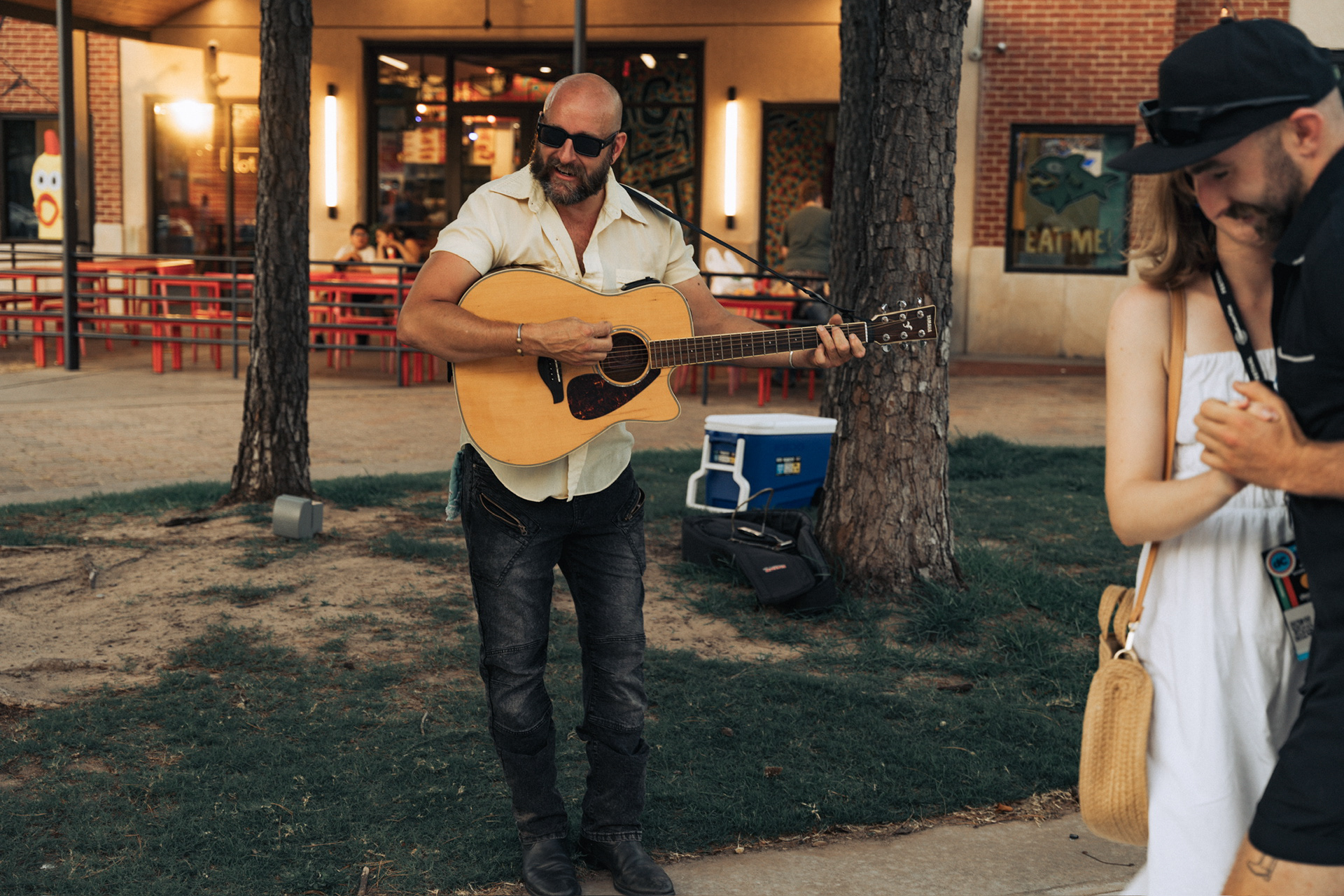
There is always something bittersweet about the final day of a festival. The packed theaters, hallway conversations, laughter, reunions, and spontaneous moments of connection begin to fade as everyone returns to daily life. But there is hope in that, too.
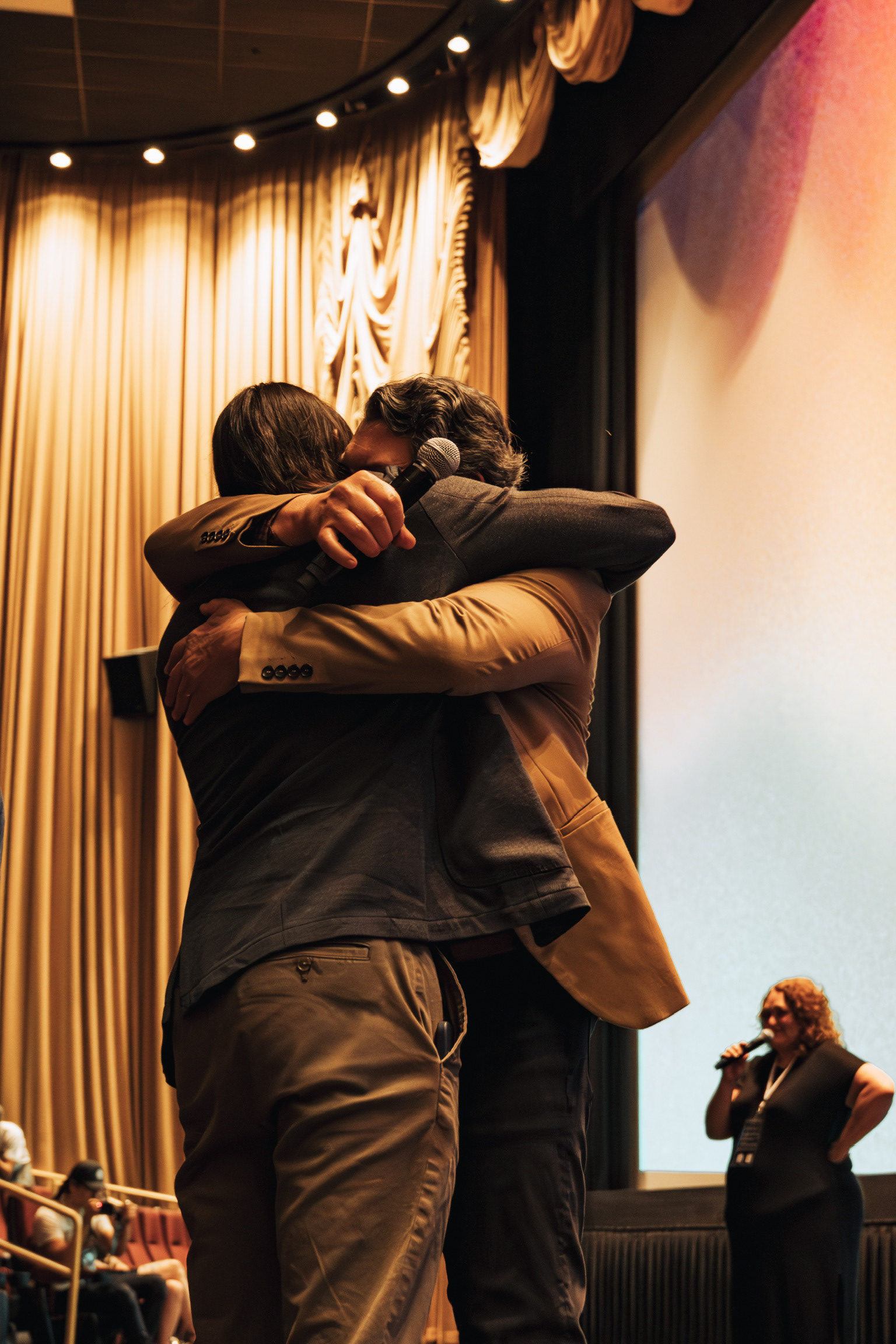
The relationships built during deadCenter do not disappear when the festival ends. They carry forward through collaborations, creative partnerships, and new opportunities in Oklahoma and beyond. deadCenter reminded us that filmmaking is not a solitary pursuit. It is a community.
So support independent film. Support local theaters. Pay attention to Oklahoma filmmakers. Seek out stories from communities that have not always been given the space they deserve. And if you are someone waiting for permission to make something, stop waiting.
Write the script.
Pick up the camera.
Gather your friends.
Make the thing.
Thank you, deadCenter, for giving Wornbriar the opportunity to experience and cover this incredible festival. Thank you for championing artists, storytellers, and the community around them. We look forward to supporting the festival for years to come.
See you next year.
GALLERY